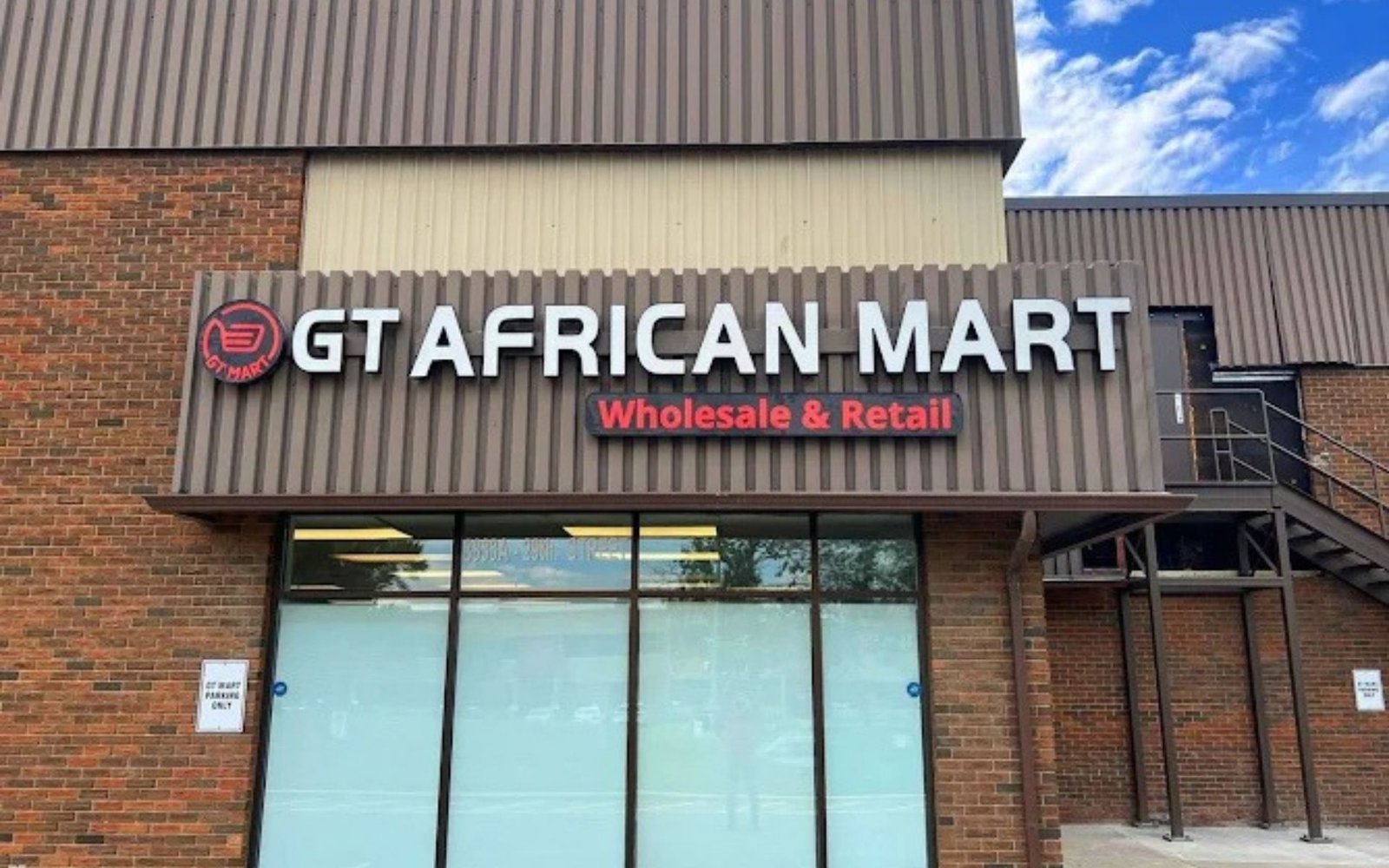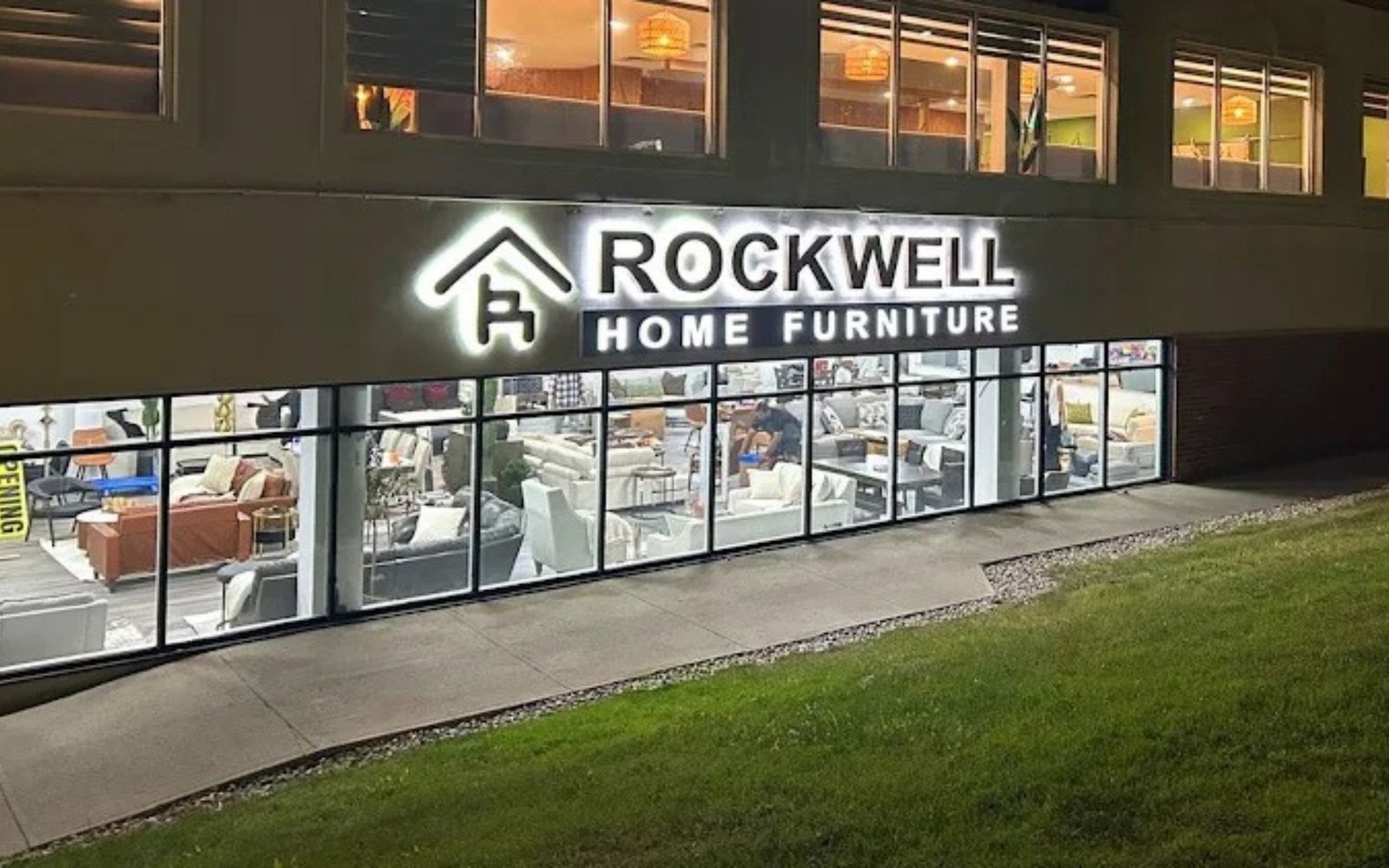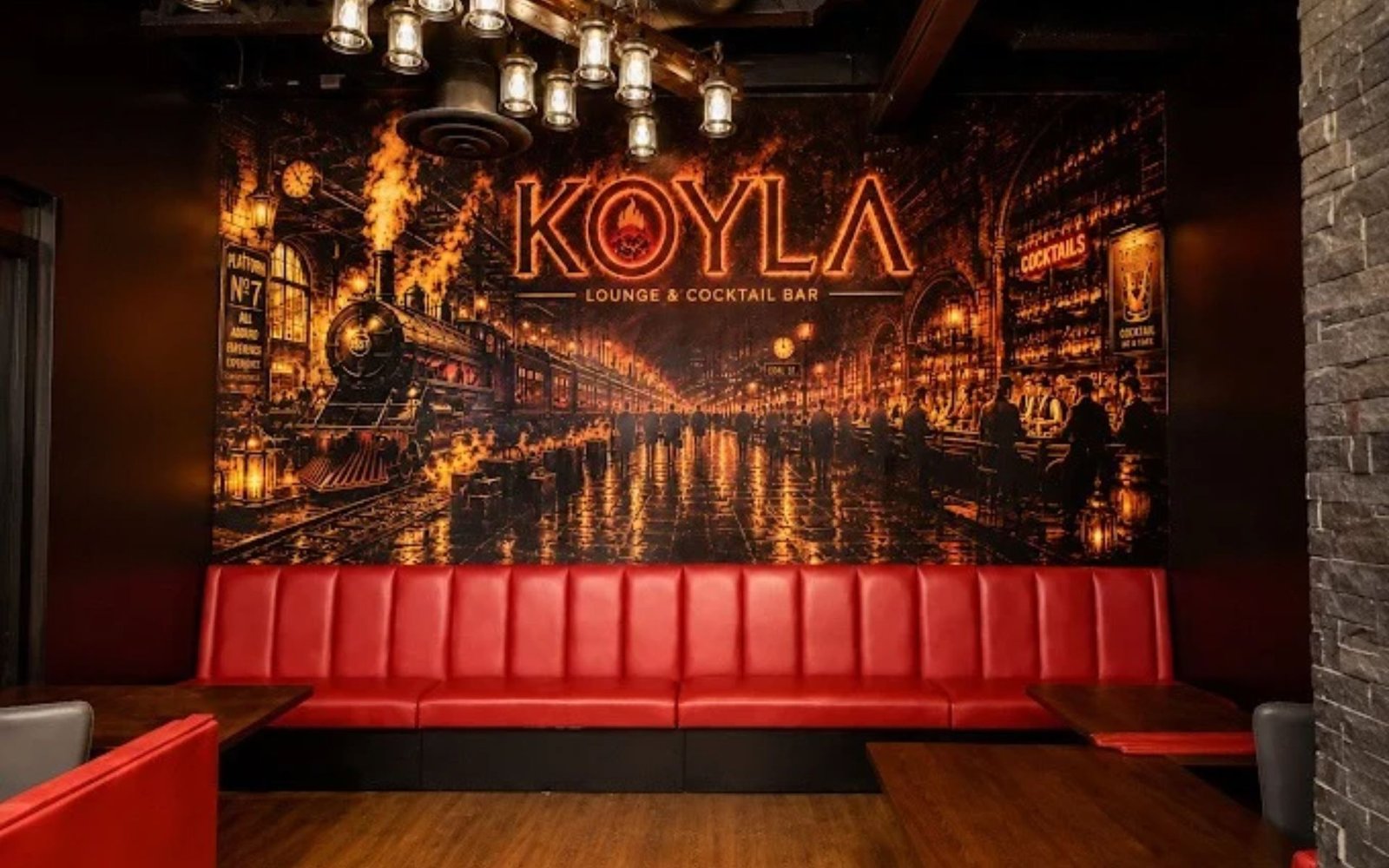
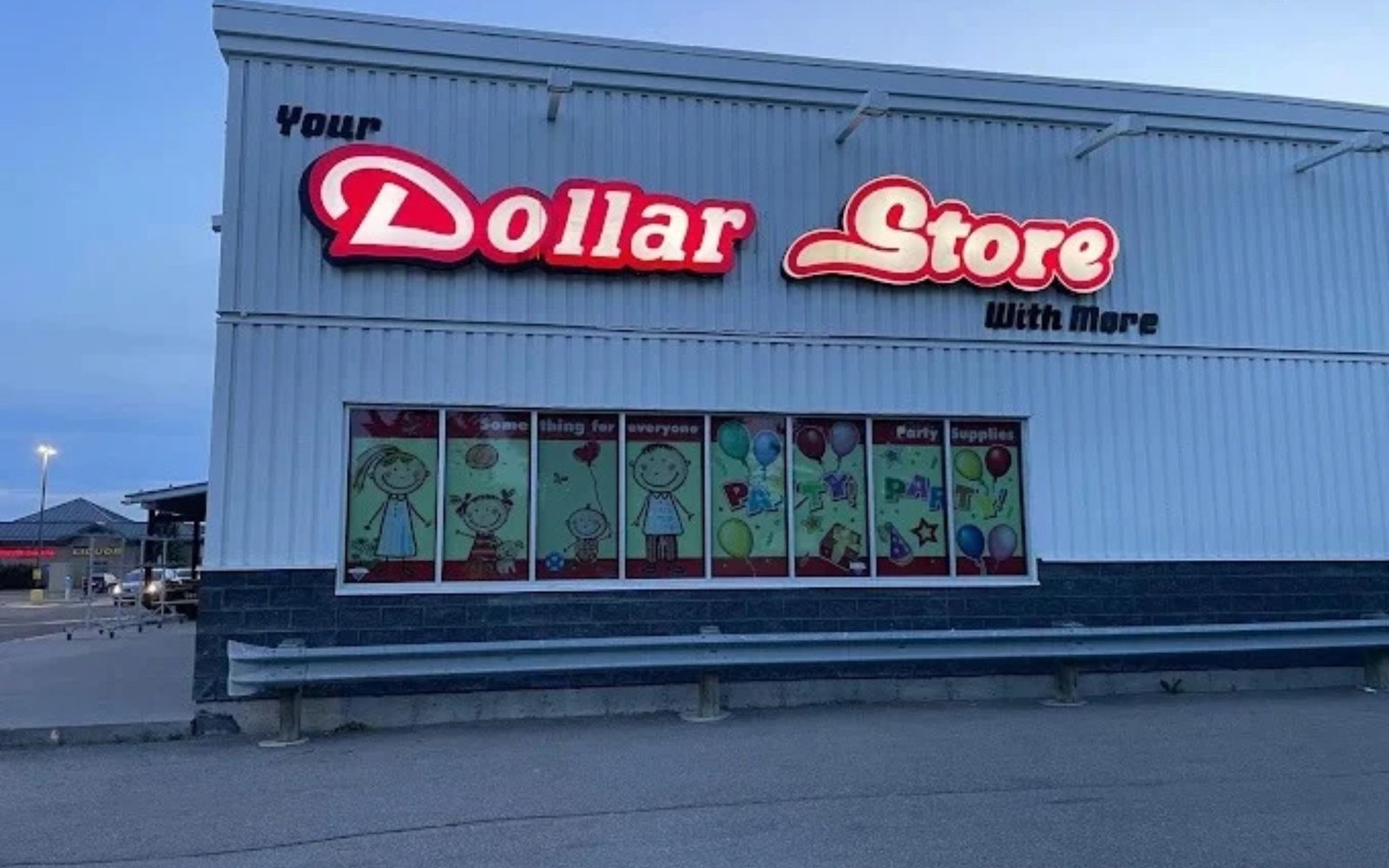
Whether you are launching a new business, promoting a special offer, attending a trade show, or refreshing your brand identity, professional marketing materials play an important role in how customers recognize your company. Banners, business signs, and business cards are three essential tools that help businesses communicate their message, attract attention, and create a professional impression.
However, ordering printed materials involves more than choosing a design and selecting a quantity. Factors such as material quality, dimensions, printing methods, colour accuracy, finishing options, and intended use can influence the final result.
A banner designed for an outdoor event may require different materials from one used inside a retail store. A storefront sign needs to be visible and durable, while a business card should be easy to read, comfortable to carry, and consistent with your brand.
For businesses in Calgary, choosing the right signage and printing products can help create a stronger visual identity across different marketing channels.
In this guide, we explain what to look for when ordering banners, signs, and business cards so you can make informed decisions for your next printing project.
1. Understand the Purpose of Your Marketing Materials
Before placing an order, identify what you want your banners, signs, or business cards to achieve. Every printed product serves a different purpose, and understanding your objective makes it easier to choose the right specifications.
For example, a business opening a new retail location may need an outdoor banner, an illuminated storefront sign, and business cards for customer interactions. A company attending an exhibition may need retractable banners, promotional signs, and printed cards for networking.
Consider these questions before ordering:
- Where will the product be displayed or distributed?
- Who is the intended audience?
- Will it be used indoors or outdoors?
- What information should customers notice first?
- Is it for permanent branding or temporary promotion?
- How frequently will the product be used?
Having clear answers helps you select the right product, material, size, and design.
2. Choose the Right Banner Material
Banners are widely used for advertising, promotions, events, grand openings, and business announcements. However, not every banner material is suitable for every environment.
Selecting the right material helps ensure that your banner looks appropriate and performs well in its intended location.
Vinyl Banners
Vinyl banners are a popular choice for business advertising because they can be printed with colourful graphics, logos, photographs, and promotional messages. They are commonly used for storefront promotions, events, sales announcements, and outdoor advertising.
When ordering vinyl banners, consider the thickness, finishing, hanging method, and expected exposure to weather.
Mesh Banners
Mesh banners feature small openings that allow air to pass through the material. They can be useful for outdoor installations in locations where wind exposure is a concern, such as fences, construction sites, and building exteriors.
The right material and installation method should be selected according to the location and expected conditions.
Fabric Banners
Fabric banners can provide a smooth, professional appearance and are often used for indoor displays, exhibitions, presentations, and branded event backgrounds.
They are worth considering when appearance, portability, and presentation are important.
Before ordering, discuss the banner’s intended use with your printing provider to identify the most suitable material.
3. Select the Correct Banner Size
Banner dimensions can directly affect readability and visibility. A banner that is too small may be difficult to notice from a distance, while an oversized banner may not fit the available display space.
Start by measuring the installation area. Consider the viewing distance, available wall or fence space, surrounding objects, and the amount of information you want to display.
For example, a small promotional banner outside a retail entrance may need different dimensions from a large banner displayed at a trade show or commercial building.
Also consider the layout. A large banner does not automatically guarantee an effective design. Important information should be positioned clearly, with enough spacing between the logo, headline, promotional message, and contact details.
Always confirm the final dimensions before approving the artwork for printing.
4. Focus on Readable and Effective Banner Design
A banner usually needs to communicate its message quickly. People may only look at it for a few seconds, especially when they are walking or driving past.
An effective banner design should prioritize the most important information.
Consider the following design principles:
- Use large, readable headlines.
- Keep the main message short and direct.
- Use strong contrast between text and background.
- Include your company logo clearly.
- Avoid overcrowding the layout.
- Use high-quality photographs and graphics.
- Display contact information when relevant.
For example, a banner promoting a grand opening should make the event or offer easy to identify. A company advertising its services may prioritize its business name, main service, and website.
Professional graphic design can help organize these elements and create a visually balanced result.
5. Consider Durability and Installation Requirements for Business Signs
Business signs often remain in place for extended periods, so material selection and installation planning are important.
Before ordering a custom business sign, consider where it will be installed and what conditions it will experience.
Outdoor signs may be exposed to sunlight, moisture, temperature changes, wind, and snow. Indoor signs generally have different requirements, with more emphasis on appearance, lighting, and integration with the interior space.
Some common business signage options include:
Aluminum Signs: Suitable for many commercial applications and can be customized with printed graphics or other finishes.
Acrylic Signs: Often selected for modern storefronts, reception areas, and interior branding.
PVC Signs: Versatile options for indoor displays, lettering, and certain promotional applications.
LED Signs: Useful for businesses that want illuminated branding and visibility in darker conditions.
Channel Letter Signs: Dimensional lettering commonly used for commercial storefronts and building identification.
Window Graphics: A practical way to display branding, business information, privacy designs, and promotions on glass surfaces.
The best option depends on your branding goals, location, budget, and installation requirements.
6. Check Sign Visibility, Placement and Readability
A professionally manufactured sign is only effective if customers can see and understand it.
Before approving a business sign, consider the distance from which people will view it. A sign displayed above a storefront may need larger lettering than one installed inside an office reception area.
Placement is equally important. Buildings may have architectural features, trees, neighbouring signs, lighting fixtures, or other obstructions that affect visibility.
Important factors to review include:
- Viewing distance
- Letter size and font style
- Contrast between text and background
- Logo placement
- Lighting conditions
- Sign height and mounting position
- Surrounding visual distractions
For illuminated signs, consider how the lighting will appear during both daytime and nighttime conditions.
A good sign design balances appearance with practical readability.
7. Choose the Right Business Card Paper Stock
Business cards remain useful for networking, customer meetings, sales appointments, and professional introductions. They provide a convenient way to share your business name, contact information, and brand identity.
One of the most important decisions when ordering business cards is choosing the paper stock.
Different paper stocks create different impressions and offer different levels of thickness and flexibility.
Standard Business Cards
Standard business cards are suitable for everyday networking and general business use. They offer a practical option for companies that distribute cards regularly.
Premium Business Cards
Premium business cards generally use thicker paper stock to create a more substantial feel. They can be a good choice for businesses that want a more refined presentation.
Uncoated Business Cards
Uncoated cards have a natural paper feel and can be useful when a simple, understated appearance is preferred.
Laminated Business Cards
Gloss and matte lamination add a protective finish to the printed surface. Gloss offers a more reflective appearance, while matte provides a softer, less reflective look.
Soft-Touch Business Cards
Soft-touch finishes create a smooth, velvety feel. They are often selected for premium branding and professional presentation.
Plastic and Foil Business Cards
Plastic cards provide an alternative to traditional paper cards, while metallic gold or silver foil can add decorative highlights to selected design elements.
When choosing paper stock, consider your brand identity, desired appearance, budget, and how the cards will be used.
8. Pay Attention to Business Card Design and Layout
A business card should be visually attractive while keeping essential information easy to find.
Although the available space is limited, a well-organized layout can communicate everything customers need to contact your company.
Common business card details include:
- Company logo and business name
- Employee or owner’s name
- Job title
- Phone number
- Email address
- Website
- Business address, where relevant
- Social media information, if useful
Avoid adding too much information. A crowded card can become difficult to read and may weaken the overall design.
Typography is especially important. Choose fonts that remain readable at small sizes, and make sure the text has sufficient contrast against the background.
You can also use the back of the card for additional branding, a short service list, a QR code, or a promotional message.
Before printing, carefully review all contact information. A small spelling mistake or incorrect phone number can make a large batch of cards unusable.
9. Compare Printing Finishes and Customization Options
Finishing options can change the appearance and feel of printed materials. The right finish helps your products match your brand identity and intended use.
For banners, common finishing choices include reinforced edges, hems, grommets, and other hanging options. These details should be selected according to how the banner will be installed.
For business cards, options may include:
- Gloss lamination
- Matte lamination
- Soft-touch finish
- Rounded corners
- Square corners
- Gold or silver foil
- Different paper thicknesses
For business signs, customization may include raised lettering, illuminated elements, custom shapes, printed graphics, and different surface finishes.
Not every finishing option is necessary for every project. Choose features that improve the product’s appearance, durability, or practical use rather than adding unnecessary extras.
10. Provide High-Quality Artwork and Correct File Specifications
Artwork quality has a direct impact on the final printed product. Even a well-designed layout can look unprofessional if the supplied images are blurry or the logo is not suitable for large-format printing.
Whenever possible, provide high-resolution images and professional logo files. Vector formats such as AI, EPS, or suitable PDF files are often useful for logos and graphics that need to be resized.
Before sending artwork to print, check:
- Correct dimensions
- High-resolution images
- Appropriate colour settings
- Readable text
- Correct spelling and contact details
- Proper margins and bleed
- Safe placement of important design elements
For large-format banners and signs, artwork should be prepared according to the printing provider’s specifications.
Always request a digital proof when available. Reviewing the proof before production gives you an opportunity to identify mistakes and confirm the final design.
11. Compare Pricing, Quantity and Overall Value
Price is an important consideration when ordering banners, signs, and business cards. However, choosing the cheapest option may not always provide the best value.
The total cost can depend on material, dimensions, quantity, finishing, design requirements, production complexity, and installation.
For example, a basic banner may cost less than a customized display with special finishing. Similarly, a standard business card may have a different price from a premium laminated or foil-finished card.
When comparing quotes, check that you are comparing similar specifications.
Ask your printing provider about:
- Material and paper stock
- Product dimensions
- Printing quality
- Finishing options
- Quantity and bulk pricing
- Design or artwork charges
- Installation costs, where applicable
- Production and delivery timelines
A clear quotation helps you understand what is included and avoid unexpected expenses.
12. Confirm Production and Delivery Timelines
Timing is another important factor when ordering marketing materials. If you need banners for an event, business cards for a networking meeting, or a storefront sign for a new opening, placing your order early can help avoid last-minute problems.
Production time depends on the product, quantity, design approval, material availability, and finishing requirements.
Simple printed materials may have shorter production schedules, while customized business signs, illuminated displays, and complex projects may require additional fabrication and installation planning.
Before confirming an order, ask for an estimated completion date and discuss any important deadlines.
Make sure you allow enough time for artwork revisions, proof approval, production, delivery, and installation.
13. Choose a Professional Signage and Printing Company
Selecting the right printing provider is just as important as choosing the product itself.
A professional signage and printing company can help you understand material options, recommend suitable finishes, prepare artwork, and select products based on your requirements.
Look for a provider that offers clear communication, product knowledge, reliable specifications, and experience with different signage and printing applications.
It is also helpful to work with a company that can support multiple branding needs. Ordering business signs, banners, vehicle graphics, and business cards through one provider can make it easier to maintain consistency across your marketing materials.
For businesses in Calgary, choosing a local signage and printing provider can also make it easier to discuss installation requirements and coordinate projects.
14. Order Professional Banners, Signs and Business Cards from Planet Signs
At Planet Signs, we understand that every printed product contributes to how customers recognize your business. From promotional banners and custom storefront signs to professional business cards, the right combination of design and quality can help create a consistent brand image.
We offer signage and printing solutions for businesses looking to promote their services, improve storefront visibility, and strengthen their professional presentation.
Our services include custom business signs, LED signs, channel letters, banners, vehicle graphics, window graphics, business cards, brochures, and other commercial printing products.
Whether you need a banner for an upcoming event, a new sign for your storefront, or premium business cards for professional networking, choosing the right specifications is an important first step.
Based in Calgary, Alberta, Planet Signs helps businesses explore customized signage and printing solutions suited to their branding and marketing requirements.
Visit Planet Signs to explore our products and services or contact our team to discuss your next printing or signage project.
Conclusion
Ordering banners, business signs, and business cards requires careful consideration of design, materials, dimensions, printing quality, finishing, and intended use.
A successful project begins with a clear understanding of your marketing goals. Choose materials that suit the environment, select dimensions that provide good visibility, and ensure that your artwork communicates your message clearly.
For business signs, pay attention to durability, placement, and readability. For banners, consider the display location and installation method. For business cards, select suitable paper stock, finishes, and a clean layout that reflects your brand.
By working with a professional signage and printing provider, businesses can create marketing materials that look consistent, communicate effectively, and support their long-term branding goals.