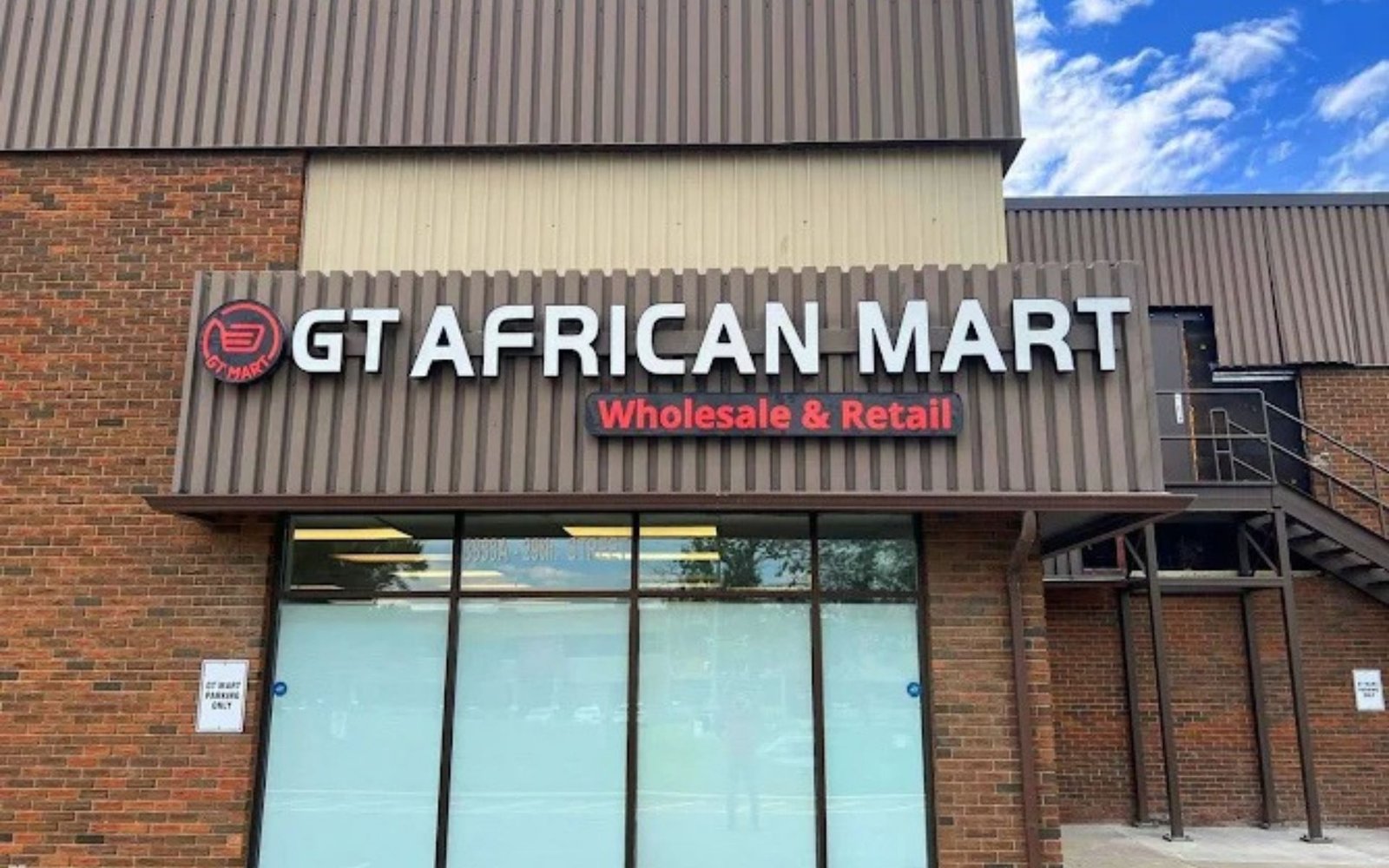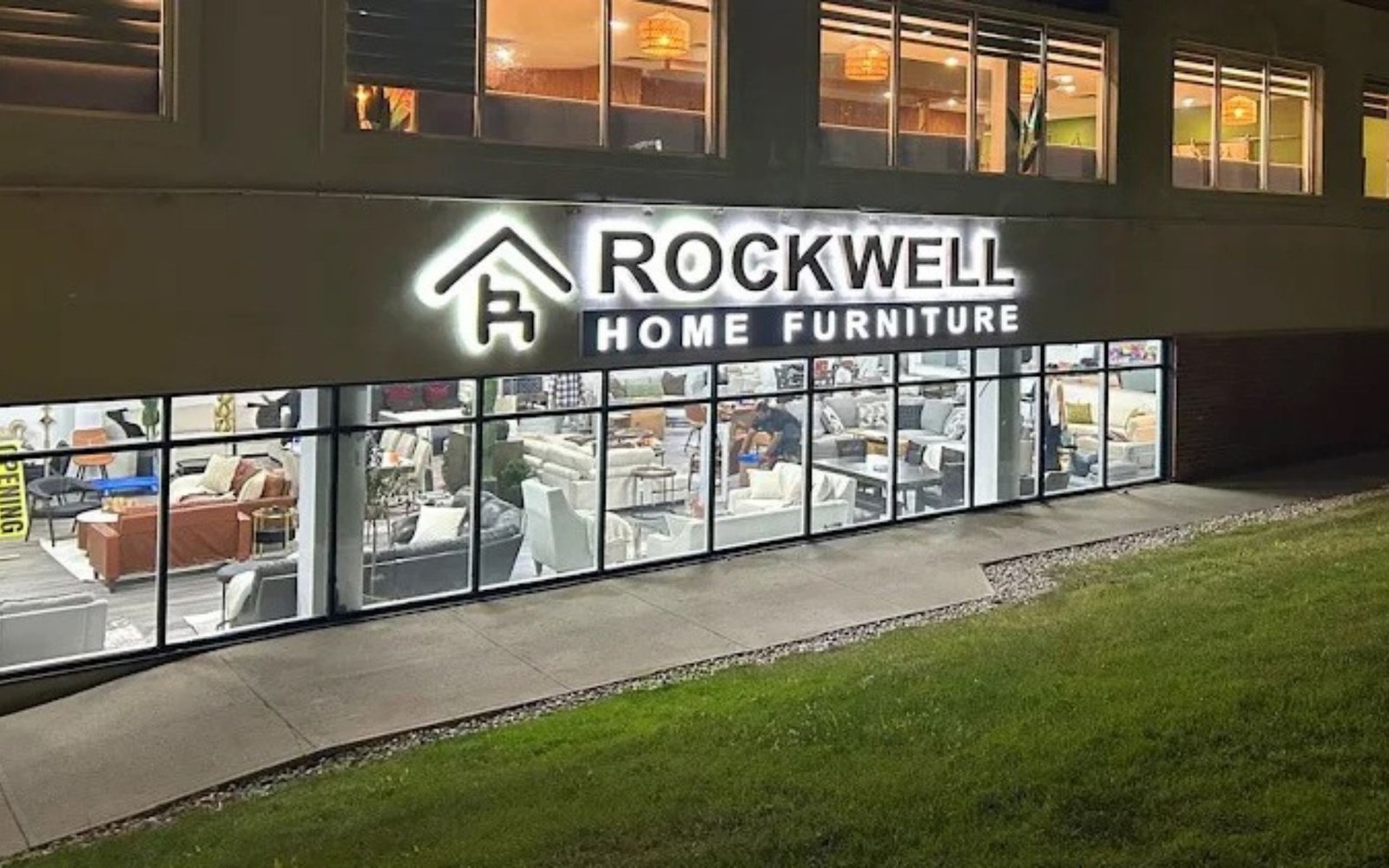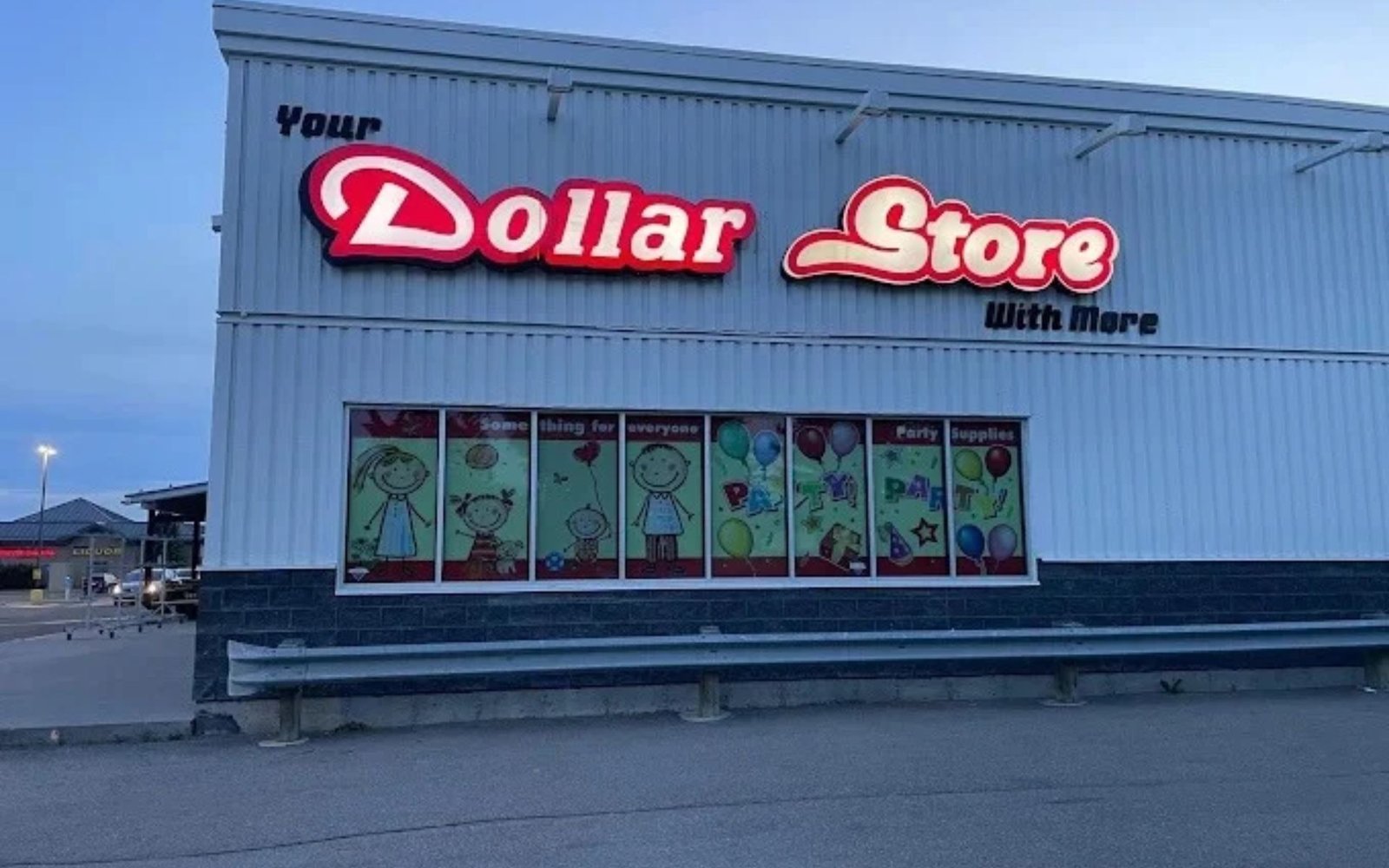
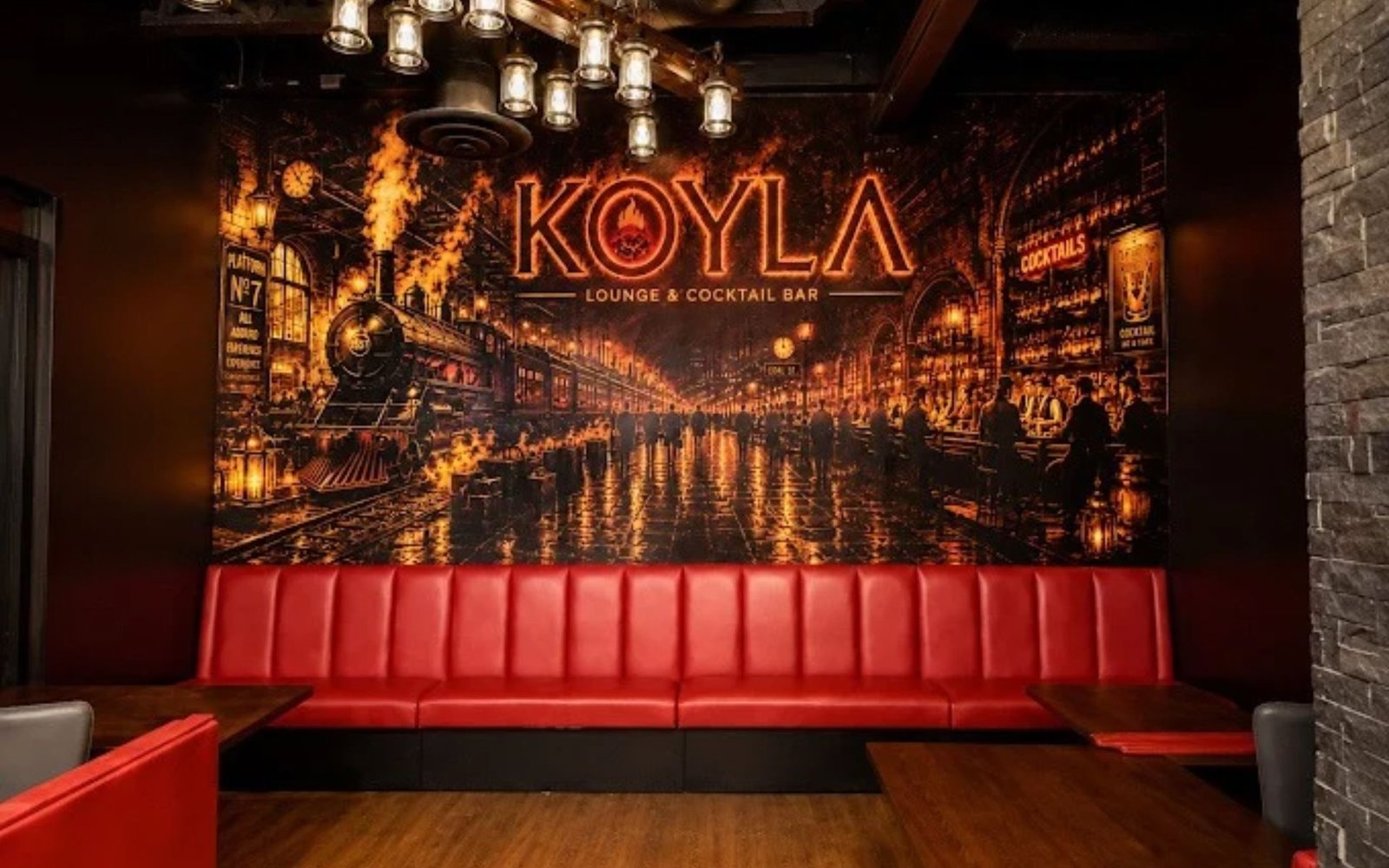
Opening a business inside a shopping plaza offers excellent opportunities to reach customers, attract foot traffic, and build brand awareness. However, with multiple businesses competing for attention in the same location, making your storefront easy to recognize is essential. The right signage helps customers identify your business, understand your services, and find your entrance without confusion.
For businesses in Calgary, Alberta, choosing signage for a shopping plaza requires careful consideration of visibility, design, materials, property management rules, and budget. Whether you operate a restaurant, retail store, salon, clinic, or professional office, professionally designed commercial signage can help create a strong first impression.
In this guide, we explore the key factors to consider when selecting the best signage for your shopping plaza business.
1. Understand Your Shopping Plaza’s Signage Requirements
Before designing or ordering a business sign, review the shopping plaza’s signage guidelines. Many commercial properties have specific requirements for sign dimensions, placement, colours, lighting, mounting methods, and materials.
Property owners or management companies may require all tenants to follow a consistent signage style to maintain the overall appearance of the plaza. Some locations permit illuminated channel letters, while others may restrict certain lighting types or sign structures.
Ask your property manager for the signage criteria, approved drawings, installation procedures, and any landlord approval requirements. You should also check applicable municipal regulations and permit requirements before proceeding.
Understanding these restrictions early can help you avoid design changes, installation delays, and unexpected costs.
2. Choose Signage That Is Easy to See
Visibility is one of the most important factors when selecting signage for a shopping plaza. Customers may approach your business on foot, from a parking lot, or from a vehicle passing along the road.
Your sign should be positioned where your target audience can see it clearly. Consider nearby buildings, trees, parked vehicles, awnings, and other signs that may obstruct the view.
For businesses located along the main entrance or exterior-facing units, a prominent storefront sign can help attract attention from people passing nearby. Interior-facing businesses may need additional directional signs or directory listings to help customers find them.
Choose lettering that is large enough for the expected viewing distance. Strong colour contrast and a simple layout can also improve readability.
The goal is not to create the biggest sign in the plaza. It is to make your business name recognizable and easy to read in its specific location.
3. Select the Right Type of Storefront Sign
Different signage styles serve different purposes. The best option depends on your storefront design, property rules, brand identity, and available space.
Channel Letter Signs
Channel letters are individual three-dimensional letters that display your business name or logo. They can be illuminated from the front or designed to produce a backlit halo effect.
These signs are popular for retail stores, restaurants, salons, and other businesses that want a distinctive storefront appearance.
Flat Panel Signs
Flat panel signs feature graphics or lettering applied to a solid panel. Depending on the design and materials, they can offer a clean, practical solution for many commercial spaces.
They are useful when a property has designated sign panels or when a business needs a straightforward display.
Dimensional Lettering
Dimensional lettering adds depth through raised letters or logos. Depending on the material and finish, it can create a modern, refined look for storefronts, offices, and professional service businesses.
Illuminated Lightbox Signs
Lightbox signs use internal lighting to illuminate a display. They can help maintain visibility in lower-light conditions, depending on the location and design.
Before selecting a style, compare the appearance, durability, installation requirements, maintenance needs, and total cost of each option.
4. Consider Illuminated Signage for Better Visibility
Shopping plazas can remain active during the evening, particularly when they contain restaurants, grocery stores, entertainment businesses, or other services with extended operating hours.
Illuminated signage can help customers identify your business when natural light is limited. LED channel letters and illuminated sign panels are common options for commercial storefronts.
When choosing illuminated signs, consider brightness, energy consumption, lighting direction, and maintenance access. Your sign should be noticeable without producing excessive glare or distracting nearby drivers.
Also check whether the plaza permits illuminated signs and whether there are restrictions on operating hours, colours, or lighting effects.
Even if your business operates mainly during the day, consider how the sign looks in shaded areas or under the plaza’s exterior lighting.
5. Match Your Signage With Your Brand Identity
Your shopping plaza sign should reflect the same visual identity used across your website, business cards, social media, and other marketing materials.
Consistent branding helps customers recognize your business across different locations and marketing channels. Use your approved logo, brand colours, and typography wherever practical.
For example, a premium clothing boutique might choose elegant lettering and a restrained colour palette, while a family restaurant could use warmer colours and more expressive graphics.
Avoid adding too many colours, fonts, or promotional messages. A cluttered sign can make your business name difficult to identify.
Your main storefront sign should communicate your identity first. Window graphics and secondary displays can provide additional details about products, services, opening hours, or special offers.
6. Use Window Graphics to Improve Your Storefront
Window graphics can complement your main sign and make better use of available storefront space. They are particularly useful for businesses with large glass windows or doors.
Depending on your needs, you can use window graphics to display:
- Your business logo and contact information.
- Opening hours and website address.
- Product images or service highlights.
- Seasonal promotions and special offers.
- Decorative brand elements or privacy graphics.
Frosted window film can provide privacy for offices, clinics, and other professional businesses while displaying a logo or decorative design.
Perforated window vinyl may be suitable for certain promotional applications where outward visibility is important, depending on the product and installation.
Keep window graphics organized and readable. Covering every available surface with text and images can make a storefront appear crowded and reduce the impact of your main sign.
7. Choose Durable Materials for Long-Term Performance
A shopping plaza sign should maintain its appearance despite regular exposure to weather, sunlight, and everyday environmental conditions.
In Calgary, outdoor signs may experience snow, wind, moisture, temperature fluctuations, and strong sunlight. Material selection should account for these conditions and the specific location of your sign.
Aluminum, acrylic, suitable sign-grade plastics, and fabricated metal lettering are among the options used for commercial signage. Each material has different characteristics in terms of appearance, weight, cost, maintenance, and durability.
Ask your signage provider which materials are appropriate for your installation and whether particular finishes or mounting systems are recommended.
It is also important to consider cleaning requirements and the availability of replacement lighting or components if the sign needs future maintenance.
A sign that looks attractive on installation day should also remain suitable for your business over time.
8. Make Your Business Easy to Find Within the Plaza
Not every business is located at the main entrance or along a highly visible exterior wall. Some businesses occupy interior units, upper floors, or locations behind other storefronts.
In these situations, additional directional signage can help customers navigate the property.
Depending on the plaza’s layout and rules, useful options may include directory signs, entrance displays, directional arrows, unit-number signs, and window lettering.
Your website can also help customers find you by providing accurate address details, parking instructions, entrance information, and a map where appropriate.
For businesses that rely on appointments, such as clinics, salons, and professional offices, clear wayfinding can make the visit more convenient and reduce confusion.
Before installing any additional signs in shared areas, obtain permission from property management and verify the applicable requirements.
9. Set a Realistic Signage Budget
The cost of shopping plaza signage depends on several factors, including sign dimensions, materials, fabrication methods, illumination, installation complexity, and permit requirements.
A simple flat panel may cost less than a custom illuminated sign with fabricated lettering. However, the cheapest option is not always the best value if it does not provide sufficient visibility or suit the property.
When requesting a quote, ask whether it includes design, production, mounting hardware, installation, electrical work, permits, and any required site visits.
It is also helpful to compare the maintenance requirements and expected lifespan of different options.
If your budget is limited, prioritize the main storefront sign first, then consider adding window graphics or secondary displays as your business grows.
A clear, well-designed sign is generally more useful than a complicated display that consumes your budget without improving readability.
10. Work With a Professional Signage Company
Choosing the right signage involves more than selecting a design. You need to ensure that the sign fits the building, meets property requirements, uses suitable materials, and communicates your brand effectively.
A professional signage provider can help evaluate your requirements, recommend suitable sign types, prepare designs, and coordinate production and installation.
For businesses in Calgary, Planet Signs provides signage, printing, and branding solutions to help companies improve their visibility and present a professional image.
Whether you need illuminated storefront lettering, custom panel signs, window graphics, or additional promotional materials, working with an experienced team can help simplify the process.
Explore the available services at Planet Signs to find signage options suited to your business and location.