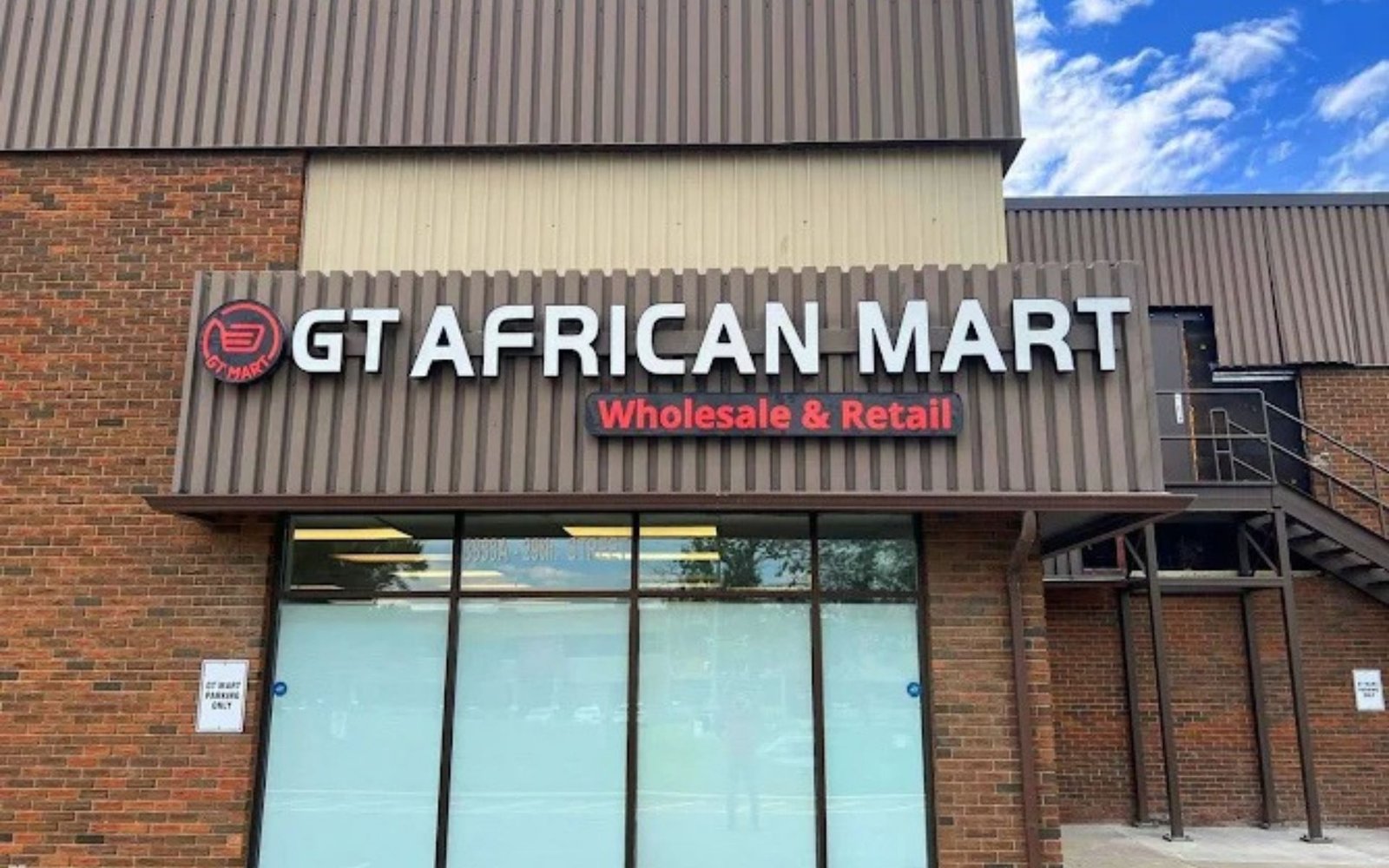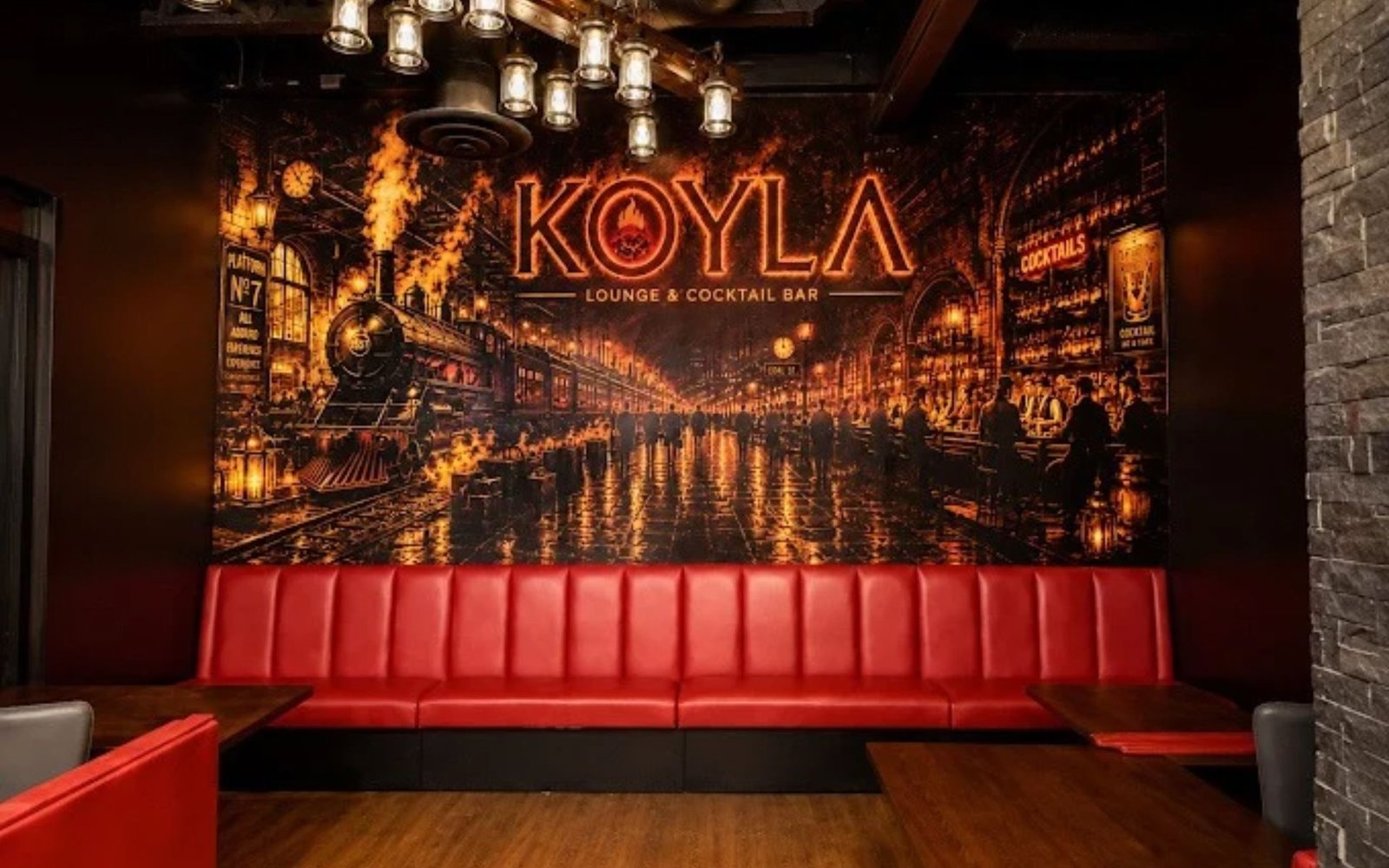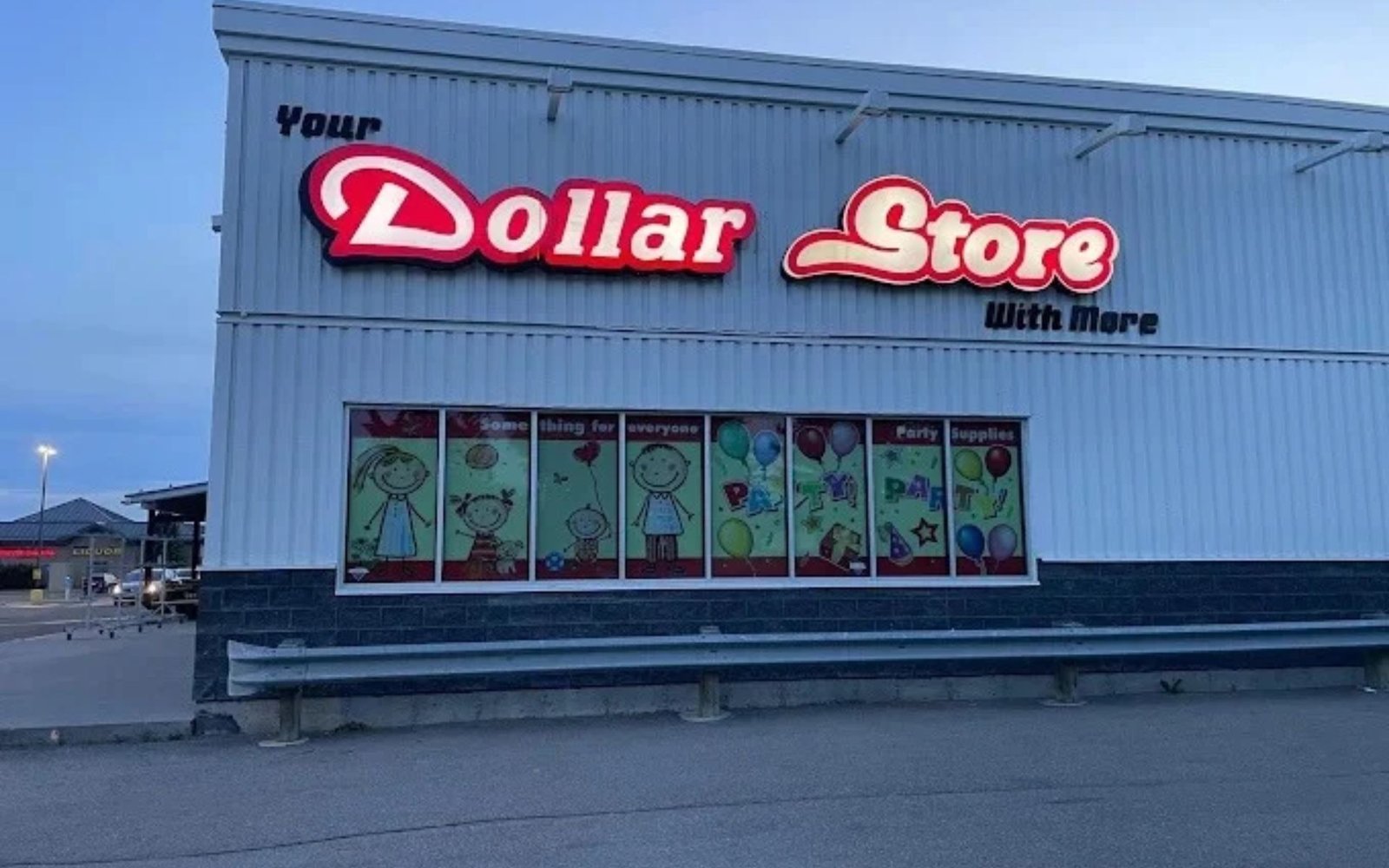
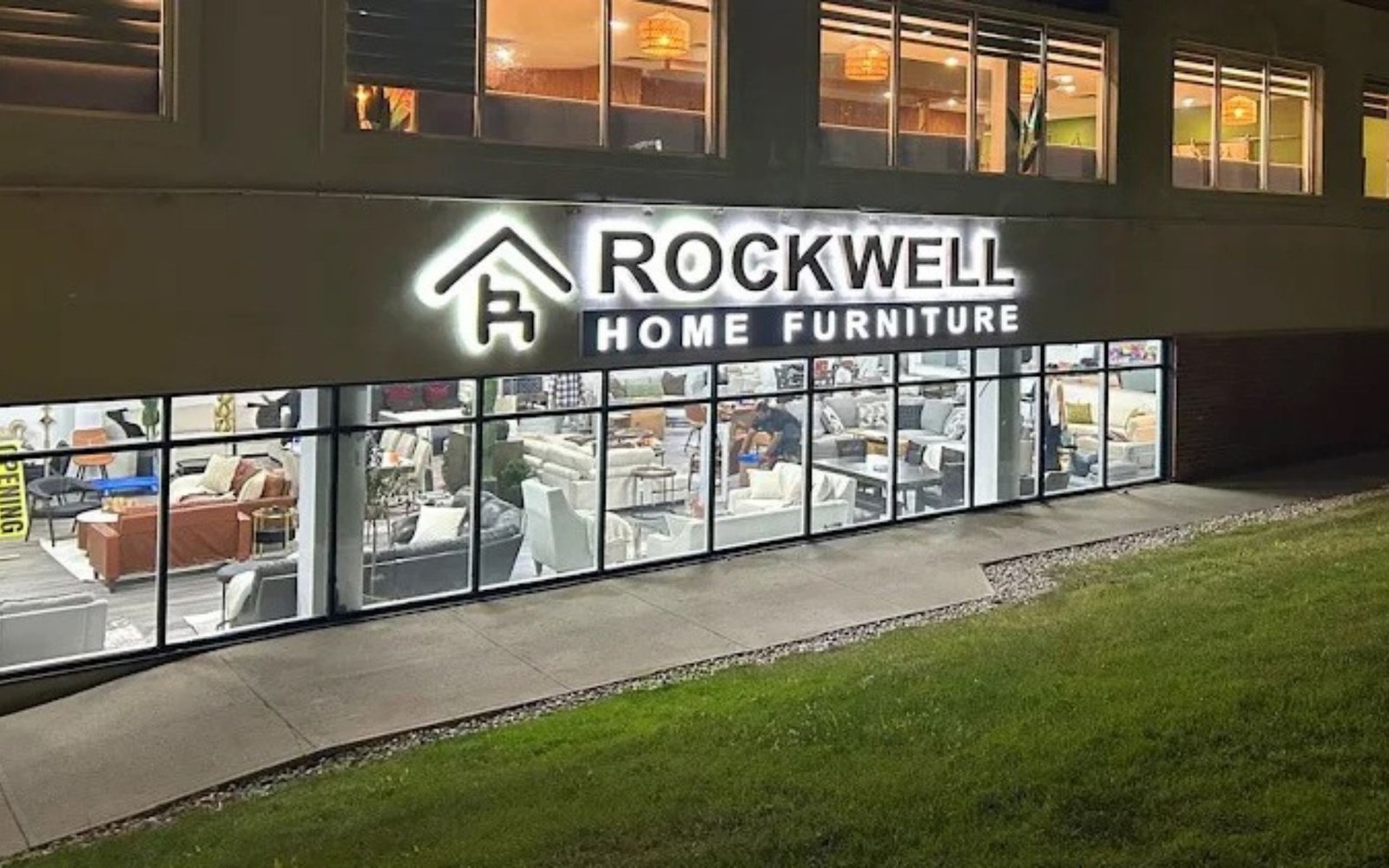
In today’s competitive marketplace, customers often discover a business online before visiting its physical location. They may find your website through Google Search, browse your services, check your social media profiles, and then visit your store or office. When they arrive, your business sign should feel familiar and consistent with the brand they have already seen online.
Matching your business sign with your website branding is an important part of building a recognizable and professional business identity. Consistent colours, logos, typography, and messaging help customers connect their online experience with your physical location.
For small businesses in Calgary, Alberta, this consistency can support brand recognition, improve customer confidence, and create a more professional appearance. Whether you operate a retail store, restaurant, office, or service-based business, aligning your signage with your website can strengthen your overall marketing strategy.
1. Build a Consistent Brand Identity
Brand identity includes the visual elements that make your business recognizable. These elements commonly include your logo, colour palette, typography, imagery, and tone of communication.
When your website and business sign use the same visual identity, customers can recognize your business more easily across different environments. For example, if your website features a blue-and-white colour scheme and a distinctive logo, using those same elements on your storefront sign creates a stronger connection between the two.
In contrast, a website with a modern, minimalist design paired with an outdated or visually unrelated sign may create confusion about your brand.
Consistency does not mean every marketing material must look identical. Your website, storefront, vehicle graphics, and printed materials can use different layouts while maintaining the same recognizable brand elements.
The goal is to make every customer interaction feel like part of one cohesive business.
2. Create a Strong First Impression
Your website and storefront sign often serve as important first points of contact with potential customers. A well-designed website communicates professionalism online, while an attractive business sign creates a similar impression in the physical world.
Imagine a customer searching online for a printing company in Calgary. They visit your website, see a professional logo, clean layouts, and consistent brand colours, and decide to visit your location. When they arrive, they see a sign that matches the website and clearly identifies the business.
This visual connection reinforces the impression that the business is organized and professional.
However, if the storefront sign uses different colours, an old logo, or inconsistent business information, customers may question whether they have found the correct location.
Matching your signage and website helps create a smoother transition from online research to an in-person visit.
3. Improve Brand Recognition Across Multiple Channels
Customers rarely interact with a business through just one marketing channel. They may see an advertisement, visit a website, receive a brochure, notice a vehicle wrap, and later pass the company’s storefront.
Using consistent branding across these touchpoints helps customers associate each interaction with the same business.
For example, a Calgary landscaping company could use its logo and brand colours on its website, work vehicles, business cards, and exterior office sign. When customers repeatedly encounter the same visual elements, they have more opportunities to recognize and remember the company.
This approach is especially valuable for small businesses that want to build a stronger presence within their local communities.
To maintain consistency, establish basic brand guidelines that specify your approved logo, colour codes, fonts, spacing, and preferred logo variations. Share these guidelines with your website designer, graphic designer, and signage provider.
4. Build Customer Trust and Confidence
Consistency can help customers feel more confident about interacting with a business. When your website, storefront sign, business cards, and other materials present the same identity and accurate business information, your company appears more coordinated and dependable.
Customers may become uncertain when different marketing materials show conflicting business names, outdated logos, different contact details, or inconsistent service descriptions.
Keeping these details aligned helps avoid unnecessary confusion.
Make sure your business name, logo, phone number, website address, and other essential information are accurate wherever they appear. If your business has recently changed its name or visual identity, update your website and physical signage as part of the same branding project.
A consistent presentation supports credibility, although trust also depends on service quality, customer experience, and the reliability of your business.
5. Choose Sign Colours That Match Your Website
Colour is one of the most recognizable elements of a brand. Customers may remember a business by its signature colour combination even when they cannot immediately recall its name.
Your storefront sign should use colours that complement your website’s established palette. If your website uses dark green and cream, for example, those colours could be adapted for exterior lettering, a sign panel, or window graphics.
However, choosing matching colours requires more than copying them directly from a screen. Colours can appear different depending on lighting, material, printing methods, and display settings.
A colour that looks bright on a computer monitor may appear different when produced on acrylic, metal, vinyl, or another sign material.
Before manufacturing a large sign, review the proposed colours in the actual materials or request a production proof where practical. Strong contrast between lettering and its background should also be a priority so customers can read your sign easily.
The objective is to preserve your brand identity while ensuring the finished sign works effectively in its physical environment.
6. Use Consistent Typography and Logo Design
Typography influences how customers perceive a business. Modern sans-serif lettering may communicate a clean, contemporary style, while a traditional serif typeface may create a more classic impression.
If your website uses a distinctive font or lettering style, your signage should maintain a similar visual character whenever practical.
Readability is particularly important for exterior signs. A font that works well for large website headings may not be suitable for small lettering on a sign viewed from across a parking lot.
Your logo may also need adjustments for different applications. Detailed logos sometimes require a simplified version for small window decals, illuminated lettering, or vehicle graphics.
These adjustments should preserve the recognizable features of the original design rather than creating a completely different logo.
Working with a professional designer can help you adapt your branding to different materials, sizes, and viewing distances while maintaining a consistent appearance.
7. Connect Your Physical Signage With Your Digital Marketing
Modern business branding extends beyond the storefront. Signs can help customers move from physical interactions to online information when the design includes useful digital touchpoints.
For example, a storefront window graphic could display your website address, while a printed promotional sign could include a QR code that directs customers to a specific landing page.
A restaurant might use window graphics to highlight its menu, while a service company could use branded vehicle graphics to help people recognize its name and find its website later.
The important point is to make the digital connection useful and easy to understand.
Keep QR codes large enough to scan, provide sufficient contrast, and test them before production. Ensure the linked page works properly on mobile devices and offers relevant information.
Avoid overcrowding your sign with too many calls to action. Your business name and primary message should remain the main focus.
8. Support Local Marketing and Brand Awareness in Calgary
For Calgary businesses, consistent branding can help create a recognizable presence across local neighbourhoods, commercial plazas, and business districts.
Customers may discover a company through local search results and later recognize its storefront while driving or walking nearby. If the website and signage share the same logo, colours, and business name, it becomes easier to connect those experiences.
This is useful for businesses such as restaurants, retailers, clinics, contractors, printing companies, and professional service providers.
Consistency can also support local marketing campaigns. When you promote a seasonal offer through your website, printed flyers, window graphics, and exterior displays, a coordinated visual style helps customers understand that the materials belong to the same campaign.
For businesses with multiple locations or service vehicles, standardized branding is particularly important. It helps maintain a consistent identity even when customers encounter the company in different places.
9. Keep Your Signage Updated When Your Website Changes
Businesses evolve over time. You might update your logo, introduce new services, change your colour palette, or redesign your website to reflect a new market position.
When these changes happen, review your physical branding to determine whether your signage still represents the business accurately.
An old storefront sign does not always need immediate replacement if it remains clear, professional, and consistent with your current identity. However, a major rebrand may justify updating the sign, window graphics, vehicle decals, and printed materials.
Plan these changes together where possible. Coordinating design and production can help reduce visual inconsistencies and avoid repeatedly updating individual items.
Before ordering replacement signage, consider the condition of your existing sign, installation requirements, budget, local regulations, and the expected benefits of the update.
10. Work With a Professional Signage and Branding Team
Creating a consistent brand across your website and physical signage requires coordination between design, materials, production, and installation.
A professional signage provider can help adapt your logo and visual identity to different applications, recommend suitable materials, and ensure that your sign remains readable and appropriate for its location.
For businesses in Calgary, Planet Signs offers signage, printing, and marketing solutions to help companies present a consistent brand identity. Whether you need custom storefront signs, window graphics, vehicle branding, or printed marketing materials, coordinating these elements can help create a more unified appearance.
Explore the available services at Planet Signs and consider how your physical branding can complement your website and wider marketing efforts.