
01 September
Uncategorized
Interactive Signage in 2026: QR Codes, NFC and Touchscreen Experiences
- planetsigns
- 0 Comments
Business signage has traditionally had one simple purpose: show customers who you are and what you offer. But in 2026, signage is becoming much more interactive.
Businesses can now use QR codes, NFC technology, touchscreen displays, digital screens, and connected experiences to turn a traditional sign into a gateway to online information.
Instead of simply looking at a sign, customers can scan, tap, explore, book, shop, learn, or connect.
This combination of physical and digital marketing is creating new opportunities for businesses that want to improve customer engagement while making their signage more useful.
What Is Interactive Signage?
Interactive signage is signage that allows customers to take an action instead of simply viewing information.
That action could involve scanning a QR code, tapping an NFC-enabled area with a smartphone, interacting with a touchscreen, or following a digital experience.
For example, a restaurant could place a QR code on its storefront that opens the online menu.
A retail store could use interactive signage to display product information.
A real estate company could place a QR code on a property sign that opens photos, pricing, and viewing information.
A service business could use a QR code to send customers directly to an online booking form.
The sign becomes more than a display—it becomes an interactive marketing tool.
QR Codes Are Bringing Signs Into the Digital World
QR codes are one of the easiest ways to connect physical signage with digital content.
A customer simply points their smartphone camera at the code and can be directed to a specific online destination.
Businesses can use QR codes for:
- Online menus
- Website pages
- Booking forms
- Online stores
- Product information
- Promotions
- Reviews
- Social media
- Contact information
- Event registration
- Digital brochures
This can make signage more useful without overcrowding the physical design.
Instead of placing a long paragraph of information on a sign, businesses can provide a short message and let the QR code provide additional details online.
Make QR Codes Part of the Design
Adding a QR code to a sign isn’t enough.
It needs to be positioned and designed properly.
The code should be large enough to scan easily and have sufficient contrast from its background. It should also have enough surrounding space so smartphone cameras can recognize it.
Most importantly, customers need to understand why they should scan it.
Instead of simply placing:
SCAN HERE
consider a useful call to action such as:
Scan to View Our Menu
or
Scan for a Free Quote
or
Scan to Book Your Appointment
Giving customers a clear reason to interact can make the QR code much more effective.
NFC Makes Signage Even Easier
NFC, or Near Field Communication, allows compatible smartphones to interact with an NFC-enabled object simply by bringing the phone close to it.
Unlike QR codes, customers don’t necessarily need to open their camera and scan an image.
NFC can be useful for:
- Digital business cards
- Contact information
- Product details
- Website access
- Loyalty programs
- Event information
- Online booking
- Digital payments where appropriate
For businesses looking to create a modern customer experience, NFC can provide a convenient alternative to traditional printed information.
QR Codes and NFC Can Work Together
Businesses don’t necessarily have to choose between QR codes and NFC.
They can be combined.
For example, a storefront display could offer:
Tap or Scan to Learn More
Customers who prefer QR codes can scan the code, while NFC-enabled users can tap their phones.
This provides multiple ways to interact with the same physical sign.
Touchscreens Create a Deeper Experience
QR codes and NFC provide simple interactions, but touchscreen signage can take customer engagement further.
Interactive touchscreen displays allow customers to browse information directly on the screen.
A retail business might use a touchscreen product catalog.
A restaurant could use a digital menu or ordering display.
A property developer could provide an interactive building directory.
A showroom could let customers explore products, specifications, colors, or available options.
The advantage is that customers can control what information they see.
Digital Signage Can Change Throughout the Day
Traditional signs usually communicate the same message continuously.
Digital signage provides much greater flexibility.
A business can display different content depending on:
- Time of day
- Promotions
- Events
- Seasons
- Products
- Customer needs
- Business announcements
For example, a restaurant might display breakfast promotions in the morning, lunch specials during the afternoon, and dinner promotions later in the day.
This flexibility can make digital signage a valuable part of a broader marketing strategy.
Interactive Signage Can Improve Customer Experience
The most successful interactive signage isn’t created simply because technology is available.
It solves a customer problem.
Imagine a customer walking into a large commercial building.
Instead of asking someone where a business is located, they can use a touchscreen directory to find the company and receive directions.
Or imagine a customer standing outside a restaurant after hours. A QR code can provide the menu, opening hours, reservations, and contact information immediately.
The technology works because it makes information easier to access.
Turn Physical Signs Into Lead Generation Tools
Interactive signage can also support business growth.
A traditional sign might tell customers what your company does.
An interactive sign can encourage them to take the next step.
For example:
Custom Signs & Printing
Scan for a Free Quote
The customer scans the code and arrives at a quote request page.
That turns a physical advertisement into a potential lead-generation channel.
Other calls to action could include:
Book a Consultation
Shop Online
Request Pricing
Get Directions
Join Our Mailing List
The important thing is to connect the sign to a useful action.
Use Interactive Signage for Reviews
Customer reviews are extremely valuable for local businesses.
Businesses can create signage that encourages satisfied customers to leave feedback.
For example:
Enjoyed Your Experience?
Scan to Leave Us a Review
The QR code can take customers directly to the appropriate review platform.
The process should be simple and quick.
The easier you make the customer journey, the more likely people are to complete it.
Interactive Signage for Restaurants
Restaurants have many opportunities to use interactive signage.
QR codes can connect customers to:
- Digital menus
- Online ordering
- Reservations
- Special offers
- Loyalty programs
- Reviews
- Social media
A printed menu can also include a QR code for customers who want to view nutritional information, allergens, additional photos, or online ordering options.
This allows restaurants to maintain the physical menu experience while providing additional digital functionality.
Interactive Signage for Retail Businesses
Retailers can use interactive signage to provide more information without requiring additional printed materials.
A customer could scan a product display to see:
- Product specifications
- Available sizes
- Colors
- Online inventory
- Customer reviews
- Demonstration videos
- Related products
This can help customers make purchasing decisions while reducing the amount of information required on the physical sign.
Interactive Signage for Service Businesses
Service companies can also benefit from connected signage.
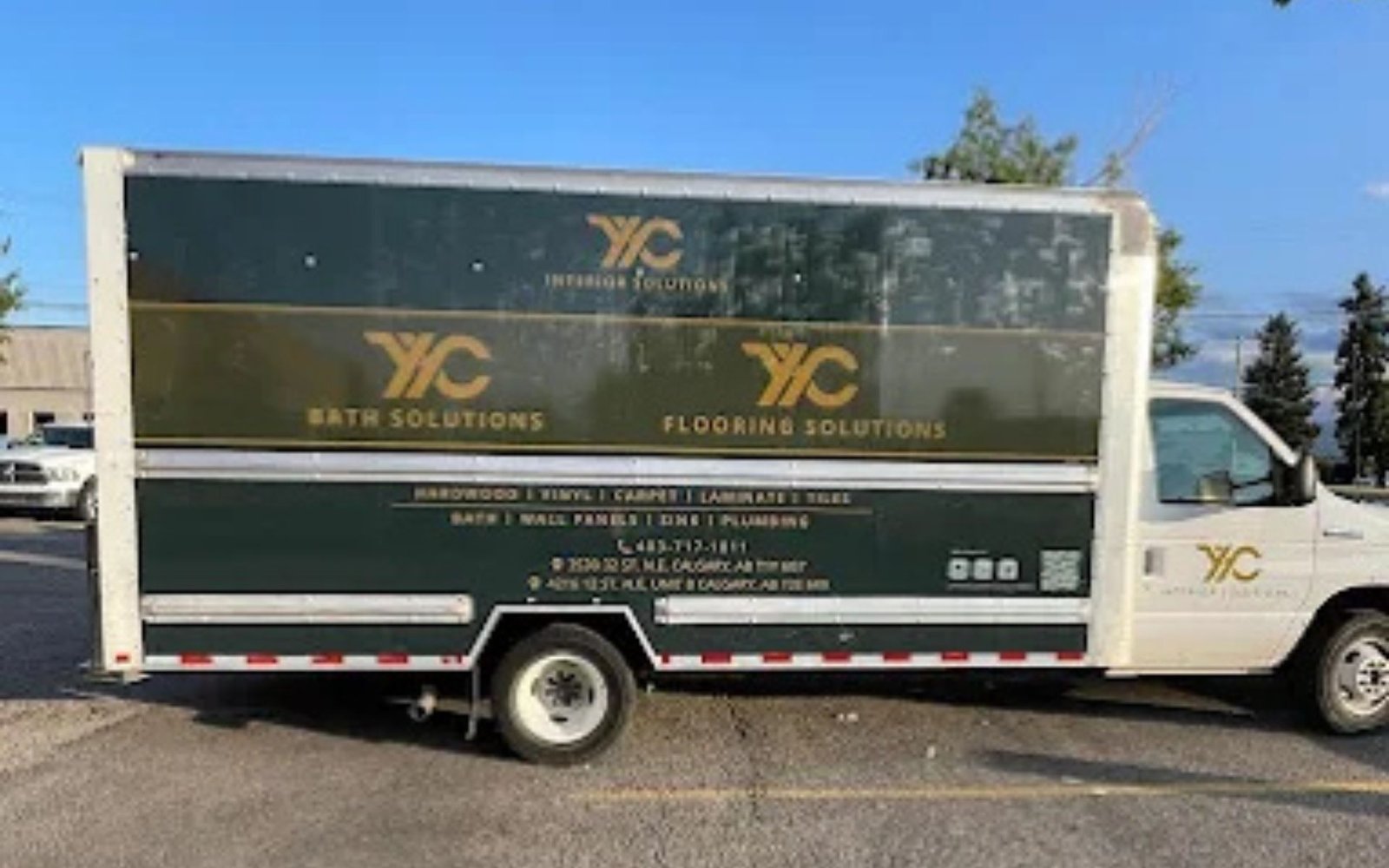
A vehicle graphic, storefront sign, banner, or promotional display could include a QR code directing customers to a quote request or booking page.
For example:
Need a Quote?
Scan to Get Started
This makes the sign actionable.
Instead of simply generating awareness, the signage can help move customers toward an actual inquiry.
Don’t Let Technology Ruin the Design
Interactive doesn’t mean complicated.
A sign covered with QR codes, buttons, text, icons, and digital elements can become overwhelming.
The physical design still needs to look professional.
A strong interactive sign should have:
Clear branding
Simple messaging
Strong readability
Obvious calls to action
Easy-to-use technology
Technology should support the design rather than dominate it.
Accessibility and Usability Matter
Businesses should also think about accessibility when designing interactive signage.
Important information should not exist only behind a QR code.
For example, a storefront sign should still clearly identify the business even if a customer doesn’t have a smartphone.
Touchscreens should also have intuitive navigation and readable text.
The goal should be to provide more options for customers, not create barriers for people who don’t use interactive technology.
Track Your Marketing Results
One advantage of interactive signage is that digital interactions can often be measured.
Businesses can track things such as QR code scans, website visits, booking requests, or campaign-specific landing page activity.
This can help answer questions such as:
- Are customers scanning the sign?
- Which location generates the most interactions?
- Which promotion gets the most attention?
- Are scans turning into leads?
- Which campaign performs best?
These insights can help businesses improve future signage and marketing campaigns.
The Future of Business Signage Is Connected
Interactive signage represents an important shift in how businesses communicate with customers.
The physical sign remains important, but digital technology allows businesses to expand what that sign can do.
A storefront sign can become a menu.
A vehicle graphic can become a lead-generation tool.
A product display can become an interactive catalog.
A building directory can become a navigation system.
A promotional poster can become a direct link to an online offer.
This creates a stronger connection between offline visibility and online engagement.
Interactive Signage From Planet Signs
At Planet Signs, we help businesses build professional visual experiences through custom signage, printing, vehicle graphics, window graphics, and marketing solutions.
Our signage services can be combined with modern digital strategies to help businesses create consistent experiences across physical and online channels.
Whether you’re looking for custom business signs, storefront signage, LED signs, banners, vehicle graphics, window graphics, printing, or branded marketing materials, the right design can help your business get noticed and encourage customers to take action.
Explore signage and marketing solutions from Planet Signs.