
01 September
Uncategorized
2026 Business Sign Trends: What Will Make Your Brand Stand Out?
- planetsigns
- 0 Comments
In 2026, business signage is becoming more than a way to display a company name. Businesses are using signs as an important part of their brand identity, customer experience, and marketing strategy.
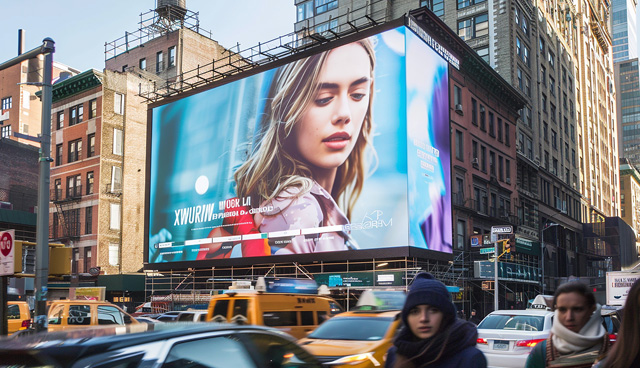
From dimensional lettering and illuminated signs to interactive digital displays and sustainable materials, today’s signage is becoming more creative, recognizable, and connected to the overall customer experience. Current industry coverage highlights several major directions for 2026, including tactile and dimensional designs, LED technology, interactive signage, sustainability, and stronger integration between physical and digital branding.
For Calgary businesses competing for attention in busy commercial areas, having a sign that simply exists isn’t enough. Your signage needs to communicate who you are, what you offer, and why customers should notice you.
Here are some of the biggest business sign trends for 2026 and how they can help your brand stand out.
1. Clean and Minimalist Signage
One of the strongest design trends in 2026 is the move toward cleaner, more focused signage.
Instead of filling a sign with multiple messages, businesses are using simple layouts, bold typography, strong contrast, and plenty of visual space.
A customer may only have a few seconds to see your sign while walking or driving past. A complicated design can make it difficult to understand the message.
A minimalist sign can communicate the business name and brand identity quickly.
This doesn’t mean your sign needs to look boring. The right combination of typography, color, materials, lighting, and dimensional elements can create a sophisticated appearance while keeping the design easy to understand.
For local businesses, simplicity can often make a stronger impression than excessive information.
2. Dimensional and 3D Signage
Flat printed signs are still useful, but businesses are increasingly looking for signage with depth, texture, and physical dimension.
Raised lettering, 3D logos, layered acrylic, metal finishes, and dimensional graphics can create a more premium appearance.
Current 2026 signage discussions identify tactile and dimensional elements as an important trend because they add a physical quality that flat digital graphics cannot provide.
Dimensional signs can work particularly well for:
- Storefronts
- Restaurants
- Corporate offices
- Reception areas
- Retail stores
- Professional offices
- Commercial buildings
A dimensional logo behind a reception desk, for example, can immediately make an office feel more polished and professionally branded.
3. LED and Illuminated Business Signs
Visibility doesn’t stop when the sun goes down.
LED signage continues to be a popular choice for businesses that want their brands to remain visible during evening hours. Modern LED technology can be incorporated into channel letters, backlit signs, halo-lit lettering, lightboxes, and other custom signage.
Energy efficiency is also becoming an important consideration when businesses choose illuminated signage. Industry sources point to continued improvements in LED efficiency and the growing use of energy-conscious lighting systems.
For Calgary businesses, illuminated signage can be particularly useful during shorter winter daylight hours.
A well-designed illuminated sign doesn’t just make a business brighter. It can create an atmosphere and reinforce the personality of the brand.
4. Bold Typography That Gets Noticed
Typography is becoming an increasingly important part of modern signage.
Large, bold lettering can help a business name remain readable from a distance. Instead of relying on complicated fonts or excessive decorative elements, businesses are choosing typography that communicates quickly.
The most effective sign isn’t necessarily the one with the most creative font.
It’s the one customers can read, remember, and recognize.
Your typography should also match the personality of your business. A modern restaurant may choose a completely different style from a law office, construction company, beauty salon, or technology company.
Custom signage gives businesses the opportunity to make typography part of their overall visual identity.
5. Tactile Materials and Textured Finishes
Another emerging direction is the use of materials that add a sense of texture and authenticity.
Brushed metal, textured acrylic, wood-inspired finishes, raised elements, and other tactile materials can create a more distinctive visual experience.
These materials can make a sign feel less like a simple printed advertisement and more like a physical part of the brand environment.
This trend is particularly useful for businesses that want to create a premium, natural, modern, or handcrafted identity.
However, design still needs to come first. Texture should support the brand rather than make the sign difficult to read.
6. Interactive Signage Connects Physical and Digital Marketing
The line between physical and digital marketing is becoming less defined.
A storefront sign can now connect customers to a digital experience using QR codes, NFC technology, digital displays, and other interactive features.
For example, a restaurant could place a QR code near its storefront that takes customers directly to its menu.
A retail store could connect signage to an online product catalog.
A service business could use a QR code to direct customers to a booking page.
Current signage trends show growing interest in interactive technologies that allow customers to engage with physical displays rather than simply look at them.
The key is to make the interaction useful. Technology should make the customer journey easier rather than simply being added because it looks modern.
7. Digital Signage Is Becoming More Flexible
Traditional signs communicate one message continuously. Digital signage can provide businesses with the ability to update content.
Retailers can promote different products throughout the day. Restaurants can highlight lunch specials and evening promotions. Businesses can display announcements, events, offers, or seasonal campaigns without physically replacing the sign.
Digital displays are also becoming more sophisticated, with AI and data-driven content appearing more frequently in discussions about the future of signage.
However, digital signage isn’t automatically better than traditional signage.
For many small businesses, a professionally designed permanent sign may still be the most effective solution. The right choice depends on location, budget, audience, and marketing goals.
8. Sustainable Signage Is Gaining Attention
Sustainability is becoming another consideration in signage.
Businesses are increasingly exploring recycled materials, responsibly sourced substrates, energy-efficient lighting, and modular signage systems.
Modular designs can also make it easier to update individual components instead of replacing an entire sign when branding or messaging changes.
For businesses, sustainable signage isn’t only about environmental responsibility. Durable materials and efficient lighting can also contribute to long-term value.
When planning new signage, businesses should consider the complete lifecycle of the sign—from production and installation to maintenance and eventual replacement.
9. Signage Is Becoming Part of the Overall Customer Experience
Perhaps the biggest change in 2026 is that businesses are thinking about signage differently.
A sign is no longer necessarily an isolated object attached to a building.
It can be part of a larger brand experience.
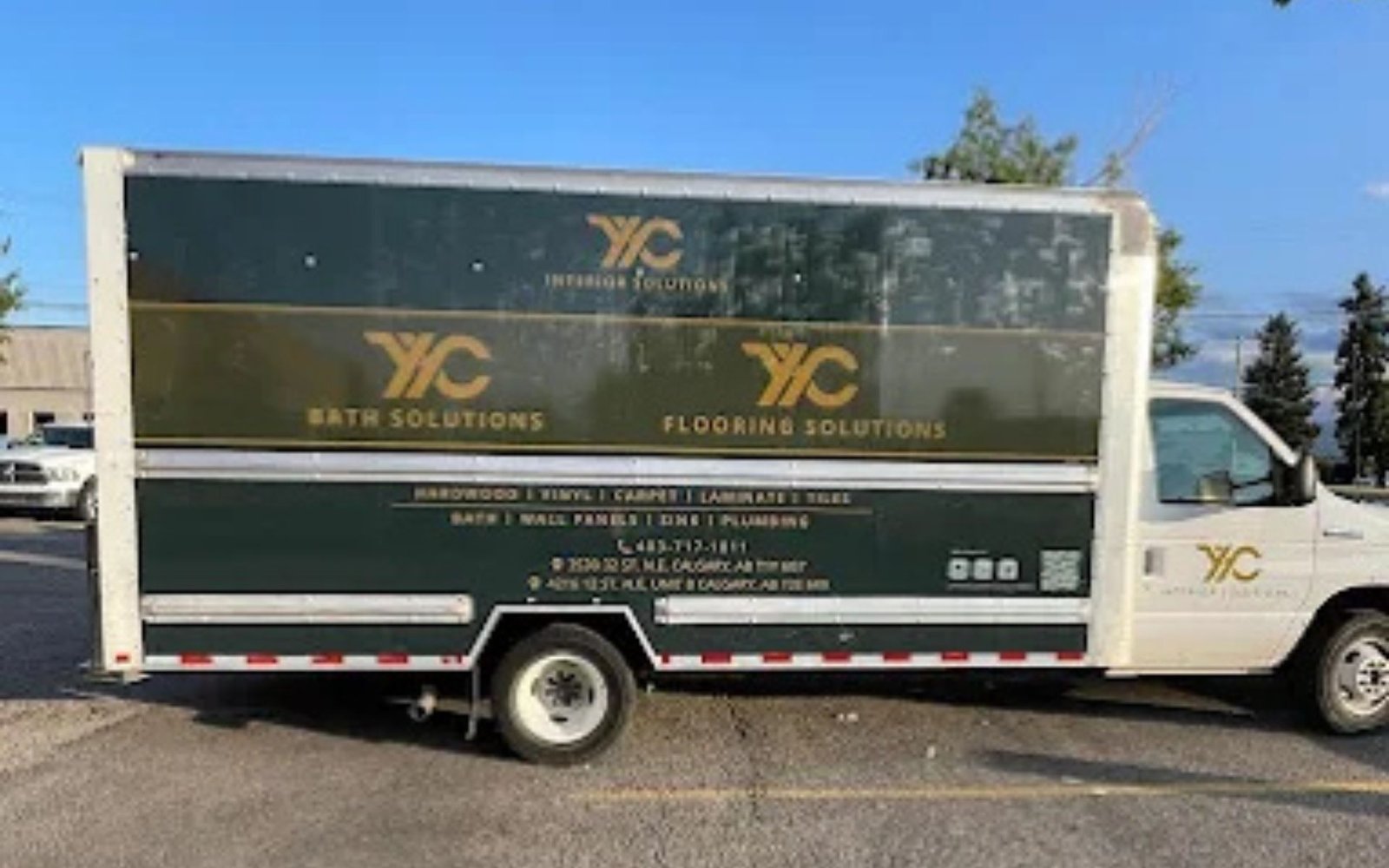
Your storefront sign, window graphics, interior lettering, reception logo, directional signs, vehicle graphics, packaging, website, and social media can all communicate the same visual identity.
When these elements work together, customers receive a consistent experience wherever they interact with your business.
That consistency can make a company feel more professional and memorable.
10. Personalized and Unique Signage
Generic branding is becoming less attractive as businesses look for ways to differentiate themselves.
Custom colors, unique lettering, dimensional logos, unusual materials, creative shapes, and personalized displays can help businesses develop a visual identity that feels specific to them.
This is especially important for small businesses.
You don’t need the largest storefront in Calgary to get noticed. A thoughtfully designed sign that communicates your personality can be more effective than a large but generic display.
The objective should be recognition rather than simply size.
11. Consistent Signage Across Your Brand
A great storefront sign is only one part of your marketing.
Imagine seeing a company vehicle with one logo, visiting its website with another color scheme, and receiving a business card that looks completely different.
The business may appear less established simply because its branding isn’t consistent.
In 2026, businesses should think about signage as part of a larger brand system.
Your:
- Business signs
- Vehicle wraps
- Window graphics
- Business cards
- Flyers
- Website
- Social media
- Packaging
should ideally share recognizable visual elements.
This creates stronger brand recognition and makes your marketing feel more professional.
12. Calgary Businesses Need Signs Built for Real-World Conditions
Trends are important, but functionality should never be ignored.
A beautiful sign still needs to work in its environment.
For Calgary businesses, outdoor signage may need to handle changing temperatures, snow, rain, wind, and prolonged sunlight exposure.
Materials, mounting methods, lighting, and finishes should therefore be selected based on the location and application.
The best 2026 sign isn’t necessarily the most technologically advanced one.
It’s the one that combines good design, durability, visibility, functionality, and brand personality.
How Planet Signs Can Help Your Brand Stand Out
At Planet Signs, we believe effective signage should do more than display a business name. It should help communicate your brand and create a memorable customer experience.
We provide a range of signage and branding solutions, including custom business signs, storefront signs, LED and illuminated signage, channel letters, dimensional lettering, banners, window graphics, vehicle graphics, printing, graphic design, website development, SEO, and social media marketing.
This allows businesses to connect their physical branding with their digital marketing and create a more consistent customer experience.
Whether you’re launching a new business, renovating a storefront, updating an outdated sign, or developing a complete brand identity, the right signage can help you stand out.
Final Thoughts
The biggest business sign trends of 2026 aren’t simply about adding more technology or making signs bigger.
They’re about creating better experiences.
Clean design makes brands easier to recognize. Dimensional materials add depth. LED lighting improves visibility. Interactive elements connect physical spaces with digital experiences. Sustainable materials support longer-term thinking. And consistent branding helps businesses become more memorable.
The best signage strategy combines these ideas with a clear understanding of your customers and your location.
If you’re ready to modernize your business signage, explore the signage and marketing solutions available from Planet Signs.
Your sign is often the first thing customers notice. In 2026, make sure it’s worth noticing.