Introduction
As businesses adopt electric vehicles and modernize their fleets, vehicle branding is becoming an increasingly important part of their marketing strategy. From electricians and plumbers to delivery companies, construction contractors, maintenance providers, and commercial service businesses, companies are looking for ways to make their vehicles more recognizable while maintaining a professional image.
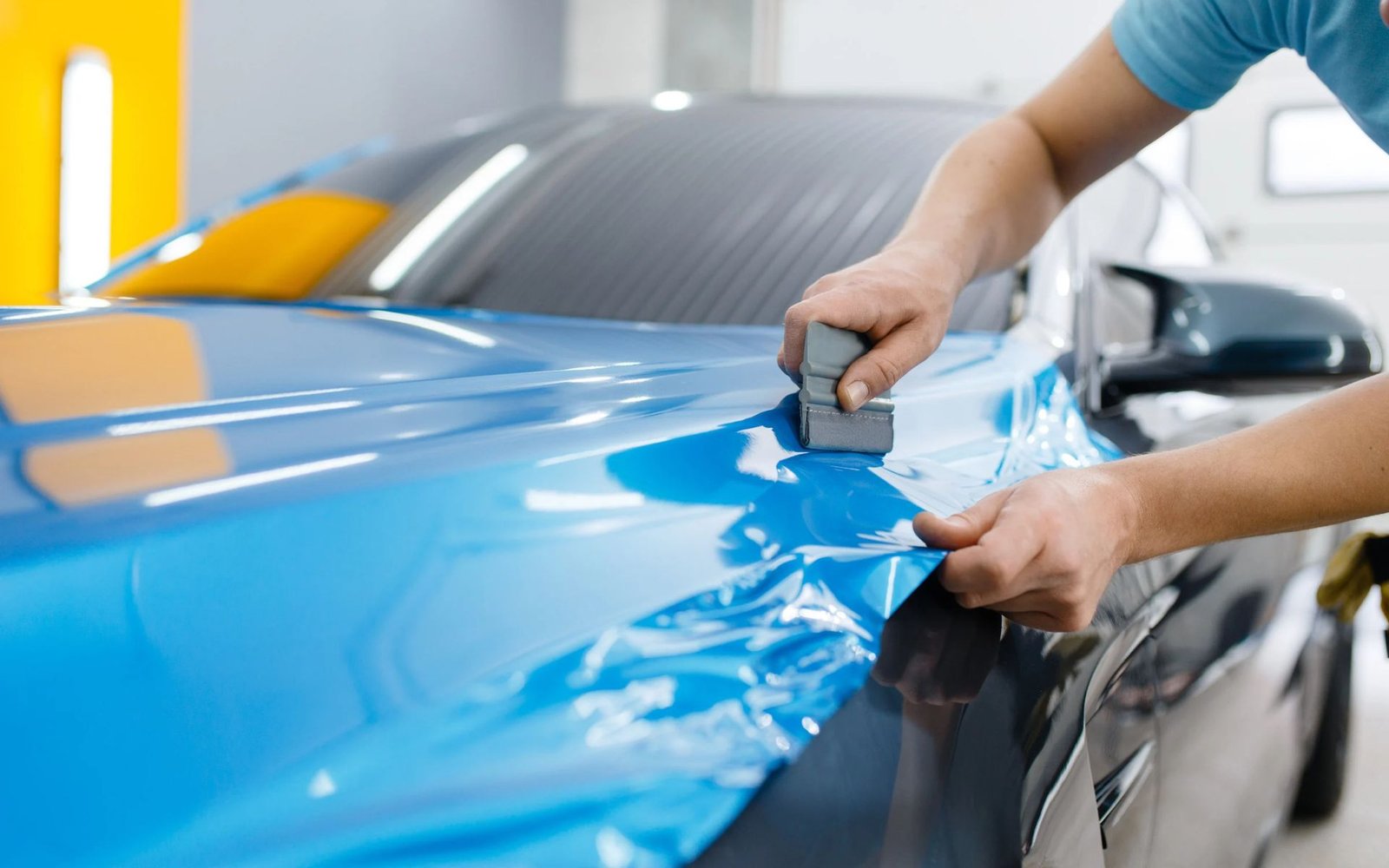
Vehicle wraps offer an effective way to turn work vehicles into mobile advertisements. A well-designed wrap can display a company logo, contact information, website, services, and brand colours while helping vehicles stand out on busy roads, in parking lots, and at customer locations.
Electric work vehicles introduce new opportunities for fleet branding. Their modern shapes, distinctive designs, and growing presence on the road give businesses a chance to create a fresh visual identity. However, successful vehicle wrap design requires more than placing a logo on a door. It involves understanding vehicle shapes, selecting suitable materials, planning readable graphics, and creating a consistent appearance across an entire fleet.
For businesses considering vehicle wraps in Calgary, understanding these design considerations can help create professional branding that supports long-term business growth.
Why Vehicle Wraps Matter for Modern Businesses
A company vehicle can be more than a means of transportation. It can become a valuable marketing asset that promotes a business wherever it travels.
Unlike advertising campaigns that appear for a limited time, a professionally installed vehicle wrap can continue displaying a brand during daily operations. A wrapped service van parked outside a customer’s property, a branded electric delivery vehicle travelling through a commercial district, or a fleet of company trucks operating across Calgary can all increase brand visibility.
Vehicle wraps offer several important advantages.
First, they help establish brand recognition. When people repeatedly see the same logo, colours, and business name, they may become more familiar with the company. Second, consistent fleet graphics create a professional appearance that can help customers identify employees and company vehicles. Third, vehicle graphics allow businesses to communicate essential information without relying entirely on online advertising.
For service businesses, this visibility can be especially useful. Potential customers may notice a branded vehicle while driving, walking through a neighbourhood, or visiting a commercial property. Clear contact details and a memorable design make it easier for them to recognize the business later.
The Growing Opportunity for Electric Work Vehicle Branding
Electric vehicles are becoming a more visible option for commercial transportation. Businesses may choose electric vans, pickup trucks, delivery vehicles, or other work vehicles to support operational goals and update their fleets.
These vehicles can also create a branding opportunity. Their modern styling and distinctive body shapes may suit clean, contemporary graphic designs. Businesses can use this appearance to communicate innovation, reliability, and a forward-looking approach.
However, an electric vehicle does not automatically need a technology-inspired wrap. The design should reflect the company’s actual identity and customers. An electrical contractor might choose a bold, modern layout, while a landscaping company could use natural colours and imagery that connect with its services.
Companies operating electric fleets can also highlight sustainability initiatives when those claims are accurate and relevant. For example, a business that has adopted electric service vehicles may choose to communicate its commitment to reducing tailpipe emissions. Any environmental messaging should be truthful and specific rather than making broad claims that the business cannot substantiate.
The goal is to create a wrap that complements the vehicle while making the business easy to recognize.
Choosing the Right Design for Electric Work Vehicles
Electric work vehicles often have different body shapes, door configurations, window placements, and panel proportions from traditional vehicles. These details affect how graphics should be arranged.
A design that looks attractive on a computer screen may not translate well to the actual vehicle. Curved panels, handles, charging ports, sensors, and body seams can interrupt important design elements if they are not considered during planning.
Before finalizing a wrap, designers should review the vehicle’s exact make, model, year, and configuration. Digital vehicle templates can help map the layout, but the final design should also account for the real vehicle’s features.
Use the Vehicle’s Shape to Your Advantage
Large, relatively flat panels provide useful space for logos, service descriptions, and contact information. Curved sections may be better suited to background colours, patterns, or supporting graphics.
For example, a commercial electric van might feature a prominent company logo on the side panel, a short service description underneath, and a phone number near the rear. A pickup truck may need a more compact arrangement because its doors, wheel arches, and cargo area create separate visual sections.
A strong design works with the vehicle rather than forcing every element into a predetermined layout.
Avoid Overcrowding the Design
One of the most common vehicle wrap mistakes is trying to include too much information. A vehicle is usually viewed for only a short time, particularly when it is moving.
Instead of listing every service, focus on the information that matters most:
- Company logo and business name
- Main service or industry
- Website or phone number
- Brand colours and recognizable visual elements
- A short, memorable tagline, if appropriate
Additional details can be included where space permits, but the most important information should remain easy to identify at a glance.
Create Consistent Branding Across the Entire Fleet
Fleet branding becomes more effective when every vehicle follows a recognizable visual system. This does not mean every vehicle must have exactly the same layout. Different vehicle sizes and body styles may require different arrangements.
Instead, consistency should come from shared brand elements, including logo placement, colours, typography, messaging, and contact information.
For example, a business operating electric vans, conventional service trucks, and smaller company cars can use the same core design across all three vehicle types. The logo may be larger on a van and more compact on a car, but customers should still recognize the vehicles as part of the same company.
A fleet branding guide can help maintain consistency when new vehicles are added. It can specify approved colours, logo proportions, font choices, minimum text sizes, contact information, and placement rules.
This is particularly useful for growing companies that purchase vehicles at different times. A clear design standard helps prevent inconsistent branding and keeps the fleet looking professional.
Selecting Colours That Make Your Vehicle Stand Out
Colour plays a major role in vehicle wrap design. It influences visibility, brand recognition, and the overall impression a vehicle creates.
Businesses should begin with their existing brand colours. Introducing too many unrelated colours can weaken brand consistency, while using a strong primary colour with one or two complementary colours can create a more focused design.
Contrast is equally important. Dark text on a light background, or light text on a sufficiently dark background, can improve readability. Important information should not disappear into photographs, decorative patterns, or complicated backgrounds.
Electric vehicles sometimes feature modern body colours and distinctive exterior details. Designers should decide whether the original paint colour will remain visible or whether a partial or full wrap will create a more suitable appearance.
Reflective or high-visibility elements may be useful for certain work vehicles, depending on their role and operating environment. However, visibility features should be selected carefully and must comply with applicable vehicle regulations and company safety requirements.
The best colour scheme balances brand identity, legibility, and the physical appearance of the vehicle.
Typography and Readability for Mobile Advertising
A vehicle wrap must communicate clearly in a short amount of time. This makes typography one of the most important design decisions.
Decorative fonts can look attractive in a logo, but they are not always suitable for phone numbers, websites, or service descriptions. Simple, well-spaced typefaces are generally easier to read from a distance.
The company name should be one of the most prominent elements. Contact information should be large enough to read under realistic viewing conditions, and the service description should use concise language.
Consider the difference between writing a full paragraph about a company’s services and using a phrase such as “Electrical, HVAC & Maintenance Services.” The shorter version communicates the business category more quickly.
Designers should also test the layout at different viewing sizes. If the text becomes difficult to read when the vehicle is shown as a small image, it may be too detailed for real-world use.
Partial Wraps, Full Wraps, and Fleet Graphics
Not every business needs a full vehicle wrap. The right option depends on the vehicle, budget, brand goals, and amount of coverage required.
Full Vehicle Wraps
A full wrap covers most or all of the vehicle’s exterior panels. It offers extensive space for brand colours, graphics, imagery, and messaging. Full wraps can create a dramatic appearance and provide greater control over the vehicle’s overall visual identity.
They may be suitable for businesses that want a strong, uniform fleet appearance or vehicles that serve as prominent mobile advertisements.
Partial Vehicle Wraps
A partial wrap covers selected areas, such as the sides, rear, or cargo panels. It can combine the original paint colour with printed graphics to create a distinctive design.
This approach can work well when a vehicle’s factory colour already complements the brand or when the business wants a branded appearance without covering the entire vehicle.
Decals and Lettering
Vehicle decals and lettering provide a simpler branding option. A business might use a logo, phone number, website, and short service description without adding extensive printed graphics.
This can be practical for smaller fleets, individual contractors, or companies that need clear identification across multiple vehicles.
For businesses comparing options, the most suitable solution is the one that meets branding needs, fits the available budget, and remains practical for the vehicle’s intended use.
Choosing Materials for Electric and Commercial Vehicles
Material selection affects the appearance, durability, and maintenance requirements of a vehicle wrap. Commercial vehicles often operate in demanding conditions, including rain, snow, road salt, dust, sunlight, and frequent washing.
A professional installer can recommend suitable automotive-grade wrap films and compatible laminates based on the vehicle’s surfaces, intended coverage, and expected service conditions.
Material choice should account for the vehicle’s curves and recesses, especially around bumpers, door handles, and other complex areas. Not every film is suitable for every application, and correct surface preparation and installation are essential.
Businesses should also consider how the wrap will be cleaned. Using suitable cleaning methods and following the manufacturer’s care instructions can help preserve the graphics.
For electric vehicles, the wrap design and installation must not interfere with charging ports, sensors, cameras, lights, ventilation openings, or other functional components. Installers should identify these areas before production and keep them accessible.
The vehicle’s manufacturer guidance should be considered when planning graphics near sensitive components or specialized exterior finishes.
Important Considerations for Electric Vehicle Wrap Installation
Electric work vehicles can have features that require additional planning. Charging doors and access panels must remain usable, while cameras and sensors must not be obstructed by graphics or wrap material.
Vehicle wraps should not cover lights, reflectors, licence plates, or legally required markings. Businesses should also check applicable rules for commercial vehicle identification, safety markings, and reflective materials.
Installation teams need accurate vehicle information before producing the wrap. Even vehicles from the same model family may have different dimensions or trim configurations that affect the layout.
It is also important to use an experienced installer who understands commercial vehicle graphics. Proper preparation, careful material application, and attention to panel edges can help create a cleaner finish and reduce the risk of premature lifting or damage.
A pre-installation inspection and final quality check can help ensure that the wrap looks professional and that all essential vehicle functions remain accessible.
Designing Fleet Wraps for Calgary’s Climate
Calgary businesses need to consider local weather when selecting vehicle wrap materials and planning maintenance. Vehicles may encounter freezing temperatures, snow, road salt, rain, strong sunlight, and rapid changes in weather conditions.
These conditions make material quality and installation practices particularly important. Suitable films, correct surface preparation, and proper application can help a wrap perform as intended, although no wrap is immune to wear or damage.
Businesses should discuss expected vehicle use with their wrap provider. A van that spends most of its time in city traffic may experience different wear patterns from a truck that regularly travels on highways or works at construction sites.
Routine cleaning helps remove dirt and road salt that can accumulate on the vehicle. Owners should avoid abrasive cleaning methods and follow the film manufacturer’s instructions for pressure washing, detergents, and drying.
It is also wise to inspect high-wear areas periodically, including edges, wheel arches, bumpers, and sections that are frequently exposed to debris. Addressing small problems early may help prevent them from spreading.
How Vehicle Wraps Support Business Marketing
Vehicle wraps can complement other marketing activities by keeping a company’s visual identity visible in the places where it operates.
A service vehicle travelling between appointments can expose the business name to people who may need its services in the future. A fleet parked outside a commercial property can also reinforce brand recognition among customers, employees, and visitors.
For stronger results, vehicle graphics should match the company’s website, business cards, uniforms, brochures, and social media branding. Consistency helps customers connect the vehicle they see on the road with the business they find online.
Businesses can also include a simple website address or a QR code where appropriate. QR codes should be large enough to scan when the vehicle is safely stationary, and they should direct users to a useful, mobile-friendly page. Drivers should never be encouraged to scan a code while driving.
Vehicle wraps work best as part of a broader marketing strategy. Their value comes from repeated exposure and clear communication rather than a guarantee of leads or sales.
Common Vehicle Wrap Design Mistakes to Avoid
A professional-looking wrap starts with careful planning. Several avoidable mistakes can reduce its effectiveness.
Too much information: Long service lists and excessive text make a design harder to understand quickly.
Poor contrast: Colours that blend together can make a company name or phone number difficult to read.
Incorrect vehicle templates: Using the wrong vehicle dimensions can place important graphics across seams, handles, or openings.
Inconsistent fleet branding: Different logos, colours, and layouts across vehicles can weaken brand recognition.
Low-quality artwork: Blurry logos and low-resolution images can produce an unprofessional result when enlarged for printing.
Ignoring maintenance: Dirt, road salt, and improper washing can affect the wrap’s appearance over time.
Choosing materials on price alone: The lowest initial quote may not provide the most suitable materials, installation quality, or expected service life.
Working with a professional vehicle graphics provider helps businesses address these issues before production begins.
How to Plan a Vehicle Wrap Project
Before requesting a quote, businesses should identify their main objectives. Decide whether the priority is brand recognition, service identification, fleet consistency, or a combination of these goals.
Next, collect the details needed for an accurate design. These may include the vehicle make, model, year, number of vehicles, logo files, brand colours, website, phone number, and a list of core services.
It is also useful to determine whether the project requires full wraps, partial wraps, or simple decals. If the fleet contains several vehicle types, ask for designs that maintain consistent branding while accommodating each vehicle’s dimensions.
Request information about the materials, installation process, preparation requirements, maintenance recommendations, warranty terms, and estimated turnaround time. A clear quote should explain what is included so that different providers can be compared fairly.
Finally, review the proposed design on a vehicle mock-up before approving production. Check the spelling of all text, the placement of contact details, the visibility of the logo, and the accessibility of vehicle features.
Taking these steps can make the process more organized and reduce the likelihood of expensive revisions.